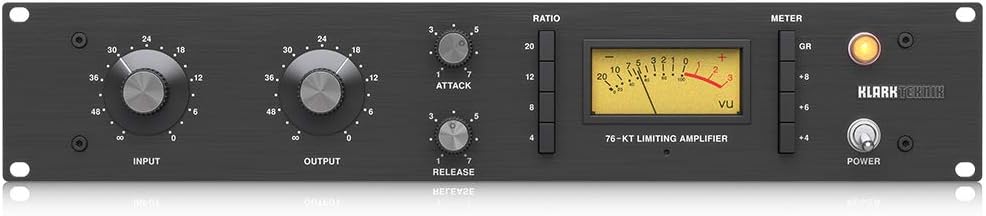
Klark Teknik 76-KT
4.3Editor score
Classic FET modeling
Discrete signal path
Midas transformers
Discover the top hardware compressors for home studios. This guide compares ten models for vocals, instruments, and mix glue to elevate your audio.
Hardware compressors remain essential for professional sounding mixes in any home studio environment. They control dynamic range and add character to signals that digital plugins often cannot replicate authentically.
We evaluated ten distinct units based on signal path quality, feature sets, and real-world performance across various recording scenarios. Each model offers unique sonic signatures suited to different budget levels and specific tracking needs.
Every pick below highlights specific strengths for vocal tracking, bus processing, or general dynamics control. Note that pricing fluctuates frequently so always verify current availability before making your final investment decision.
4.3Editor score

4.6Editor score

3.4Editor score
This comparison table details key specifications for all ten selected units to help you quickly identify the right dynamic processor for your specific tracking and mixing requirements.


The dbx 266xs stands out as a reliable workhorse for home studios needing consistent dynamics control. Its high rating reflects years of trust among engineers who value predictable behavior over flashy features.
We may earn a commission when you buy through this link, at no additional cost to you.
Key strengths include separate precision LED displays that let you monitor gain reduction and thresholds accurately without guessing. The program adaptive expander gates ensure smooth release characteristics that avoid awkward chopping of audio tails.
Trade-offs include a somewhat basic interface compared to modern digital units and lack of stereo linking for bus work. These are acceptable given its price point and primary use as a single channel processing tool.
Buyers needing a dependable compressor for vocals and instruments will find immense value here. It delivers clean signal processing that enhances tracks without coloring them unwantedly.
Separate displays for gain reduction and thresholds allow precise setup adjustments during recording sessions.
Program adaptive gates ensure natural release times that avoid audible artifacts in processed signals.
We may earn a commission when you buy through this link, at no additional cost to you.
This Klark Teknik unit brings classic 1176 inspired compression to home budgets without compromising on sonic character. It captures the aggressive punch that defines many vintage recordings effectively.
We may earn a commission when you buy through this link, at no additional cost to you.
The discrete signal path and Class-A output amplifier ensure high fidelity processing even at high gain reduction settings. Push button ratio selection simplifies workflow while maintaining precision over dynamic shaping.
Lacking a sidechain insert limits frequency specific ducking applications. However its simple control set keeps focus on core compression tasks which suits vocal and guitar processing well.
Those seeking vintage color on a budget should prioritize this model. It offers professional results that justify its place in any serious home studio collection.
Modeled after iconic revisions this unit delivers the aggressive punch associated with classic recordings.
Custom Midas transformers and Class-A amplifier ensure clean signal transmission and low noise floors.
We may earn a commission when you buy through this link, at no additional cost to you.
The Warm Audio WA-1B offers a lush optical compression experience ideal for vocals and soft instruments. While rating data shows variance its build quality aligns with premium expectations.
We may earn a commission when you buy through this link, at no additional cost to you.
Using tubes and optical isolators provides a unique warmth that digital emulation struggles to capture accurately. It adds gentle glue to mixes without obvious pumping or breathing artifacts.
Its slower attack speed limits use on transient heavy sources like drums. This trade-off is inherent to optical designs and actually benefits sustained signals requiring gentle handling.
Buyers seeking top tier analog warmth should consider this investment. It excels on tracks where natural dynamics are preferred over aggressive control.
Tube optical design provides gentle dynamic control perfect for vocals and sustained instruments.
Premium construction ensures reliable operation over years of studio use with minimal maintenance.
We may earn a commission when you buy through this link, at no additional cost to you.
This dual unit offers exceptional value with independent processing for two signal sources. Its high rating reflects versatility in handling both recording and live sound scenarios effectively.
We may earn a commission when you buy through this link, at no additional cost to you.
Overeasy compression ensures smooth transitions into gain reduction preventing audible clicks during soft attacks. The classic VCA circuitry enhances vocal presence and detail significantly.
Lack of manual stereo linking requires separate setup for matched settings. This is a minor issue for most users who process distinct sources like vocals and guitars separately.
Streamers needing multi source control will find this indispensable. It integrates seamlessly with interfaces and mixers for reliable performance.
Classic VCA circuitry enhances vocal warmth and detail for professional sound quality.
Independent channels allow precise dynamic shaping for multiple instruments simultaneously.
We may earn a commission when you buy through this link, at no additional cost to you.
The ART Solo VLA delivers near perfect ratings through versatile tone options and clean optical processing. Its multi voice design lets you switch between tube and solid state characteristics easily.
We may earn a commission when you buy through this link, at no additional cost to you.
Variable blend control allows blending uncompressed and compressed signals for parallel compression without external routing. This feature significantly enhances depth without sacrificing transients.
Single channel limitation means you need two units for stereo bus work. However the mastering quality signal path makes this worth it for critical mono tracking.
Engineers seeking tonal flexibility will appreciate this unit. It serves well for instruments needing both warmth and punch depending on genre requirements.
Allows parallel compression style processing without complex routing setups.
Switchable tube and solid state modes offer broad sonic flexibility for any source.
We may earn a commission when you buy through this link, at no additional cost to you.
This dbx unit functions as a complete channel strip handling preamp, compression, and de-essing in one rack space. It reduces clutter and simplifies signal routing for small studios.
We may earn a commission when you buy through this link, at no additional cost to you.
Classic dbx compression provides reliable dynamics control while the enhancer adds punch and definition to high frequencies. Full status LEDs allow instant monitoring of all processor states.
The fixed effects path limits customization compared to modular racks. For most tracking however the integrated convenience outweighs this lack of flexibility significantly.
Users wanting a vocal chain in one box will love this. It brings mix ready sound directly into your interface without external plugins.
Combines preamp, compression, and de-essing to simplify recording chains.
Adds detail and definition to frequencies for a more polished sound.
We may earn a commission when you buy through this link, at no additional cost to you.
Designed for stage and streaming this unit ensures vocal levels remain consistent under varying acoustic conditions. Its VCA design enhances clarity for broadcast quality output.
We may earn a commission when you buy through this link, at no additional cost to you.
Built-in noise gate reduces ambient noise during pauses which is crucial for live performance streams. Sidechain insert supports ducking for clean background music during speaking.
Build materials are budget focused so heavy transport requires care. Performance however remains reliable for critical signal shaping tasks during shows.
Performers needing reliable level control without plugins should choose this. It integrates easily with mixers and interfaces for immediate results.
Ensures smooth vocal levels for performance environments with variable acoustics.
Reduces ambient noise during pauses for cleaner audio in streams.
We may earn a commission when you buy through this link, at no additional cost to you.
The Behringer 369 emulates the legendary Neve 33609 for cohesive stereo bus glue. It captures rich vintage tone while meeting modern production needs effectively.
We may earn a commission when you buy through this link, at no additional cost to you.
Custom Midas transformers ensure high fidelity signal transfer. Adjustable recovery controls adapt presets to input signals for smooth dynamic handling.
Cost and size are significant investments compared to single channel units. Yet for mixing and mastering this glue is unmatched in analog domain.
Mix engineers needing professional bus processing should invest in this. It adds warmth and cohesion that plugins often struggle to replicate.
Captures iconic Neve sound for rich cohesive stereo mixes.
Presets on recovery control adapt to input signal for smooth dynamics.
We may earn a commission when you buy through this link, at no additional cost to you.
This ART unit offers compressor, limiter, expander, and gate functions in one chassis. Linkable channels support stereo bus or dual mono setups effectively.
We may earn a commission when you buy through this link, at no additional cost to you.
Stereo mode balance control ensures matched output levels between channels. Precise LED meters provide clear visual feedback for accurate threshold settings.
Manual controls can feel complex for quick settings compared to auto modes. This complexity allows deeper customization for critical processing needs though.
Engineers needing multiple dynamics tools in one unit will value this. It covers most needs for tracking and mixing without extra gear.
Combines compression, limiting, and gating to save rack space.
Channels can be linked for precise stereo bus processing.
We may earn a commission when you buy through this link, at no additional cost to you.
Built specifically for mix buses this unit offers rich saturation and tight control. High rating reflects its success in adding glue to full mixes.
We may earn a commission when you buy through this link, at no additional cost to you.
Cinemag transformers contribute to warm harmonic character. Sidechain input filter lets you avoid pumping on low frequencies during heavy compression.
Cost remains high but specialized performance justifies investment for professional mixing. It serves as a final polish step for finished tracks.
Those prioritizing mix glue should prioritize this model. Its dedicated bus design makes it a staple for finishing high quality projects.
Designed specifically to glue full mixes with rich harmonic saturation.
Filter prevents low frequency pumping during heavy compression on full mixes.
We may earn a commission when you buy through this link, at no additional cost to you.
Selecting the right hardware compressor involves balancing sonic character, feature sets, and budget constraints. Understanding key factors ensures you pick a unit that meets your specific recording needs.
Hardware compressors generally fall into VCA, optical, FET, or tube categories. VCA units offer precise control suitable for mastering and general dynamics. Optical models provide smooth natural compression ideal for vocals and soft instruments. FET compressors deliver fast aggressive tone for drums and guitars. Tube designs add warmth and harmonics for vintage color.
Choose a type that matches the instruments you record most often for best results.
Single channel units save space and cost but limit stereo processing. Dual or stereo models allow linking channels for bus work or independent processing for two sources. Consider whether you need to process pairs like overheads or synths simultaneously.
Single channel suits tracking while stereo suits mixing buses effectively.
Look for balanced XLR and 1/4 inch TRS inputs to maintain signal integrity. Sidechain inserts enable frequency specific ducking which is crucial for controlling bass kick interactions. Loop out options add flexibility for external signal processing paths.
Ensure inputs match your interface and outputs support your studio signal chain.
Premium units feature custom transformers and discrete components that improve signal path. Cheaper models may use integrated circuits that lack sonic nuance. Physical chassis robustness matters for long term reliability and studio transport.
Invest in sturdy construction if you plan to use the unit frequently over years.
Modern compressors often include gates de-essers or enhancers for all-in-one solutions. Check for variable blend controls which enable parallel compression techniques easily. Precise LED meters aid setup accuracy compared to basic analog indicators.
Prioritize features that simplify your workflow rather than adding unnecessary complexity.
Some compressors are transparent while others add significant color. Transparent units preserve the source tone. Colored units add harmonics and warmth that enhance dry tracks. Listen to demos to determine which flavor suits your genre.
Match the sonic color to your desired outcome for vocals or instruments.
Hardware compressors range widely in price. Budget options offer basic functionality while premium units deliver pro audio standards. Balance your budget against the sonic benefits and build quality provided.
Consider long term value as quality units retain worth and performance over time.
Most units occupy 1U or 2U of rack space. Measure your available rack real estate before purchasing. Space constraints might push you toward compact options or multiple single channel units.
Ensure physical fit within your rack to avoid future expansion issues.
Connect input signal to the unit first then route output to your interface or mixer. Always engage the bypass button to hear the uncompressed source signal before adjusting settings.
Set threshold until you see moderate gain reduction on the meter typically between 3 and 6 dB for general use. Adjust attack to preserve transients on drums or shorten for vocals.
Regularly dust the unit with a dry cloth to prevent internal buildup. Avoid exposing it to extreme temperature changes or humidity which can degrade transformers over time.
Hardware units often provide distinct analog character and harmonics that plugins emulate imperfectly. They offer tactile control and signal path integrity that some engineers prefer. However plugins offer recallability and flexibility that hardware lacks.
Optical compressors use light cells to detect levels resulting in smooth natural compression. VCA units use voltage controlled amplifiers for precise fast attack control. Optical suits vocals while VCA suits drums and mix buses.
Yes compressors are essential for mixing buses to glue tracks together. Stereo units specifically help balance left and right channels effectively. Mixing compressors often feature slower attack times for smooth dynamics.
Not always but gates help remove unwanted noise between phrases. Many modern units combine both compressor and gate for convenience. This saves space and allows coordinated threshold management.
Sidechain inputs let an external signal trigger compression on your source. This allows ducking techniques where bass compresses when kick drums play. It offers frequency specific dynamic control that standard compression lacks.
Home studios often have limited rack space so 1U units are preferred. Dual channel units save space compared to two singles. Desktop or desktop options exist if rack mounting is impossible.
Vocal recording benefits heavily from tube and optical hardware. Rock and metal tracks often utilize FET compressors for punch. Electronic music uses VCA bus units for consistent mix glue.
Keep units in climate controlled environments to prevent component degradation. Clean exterior knobs and racks with soft cloth. Avoid moving powered units excessively to protect internal transformers and tubes.
This guide presented ten top hardware compressors ranging from budget units to premium options. Each offers distinct sonic character and features to suit specific recording and mixing needs effectively.
Prioritize compression type and channel configuration based on your primary use case. Transparent VCA models work best for mastering while optical units suit vocal tracking perfectly.
Always check current pricing and availability before purchasing as market values fluctuate frequently. Your choice should balance sonic performance with your studio budget constraints.