
Seagate Portable 4TB External Hard Drive
4.6Editor score
Plug and play ready
Affordable 4TB storage
Compatible with Mac and PC
Recording high-quality media requires reliable storage that can handle large files without interruption. The right hard drive ensures smooth workflows for editors and creators needing consistent performance.
We evaluated ten leading drives based on speed, capacity, and durability. Our list covers internal and external options suitable for various recording needs and budgets across different setups.
Each pick highlights key strengths and ideal use cases for your workflow. Note that prices fluctuate frequently, so check current listings before making your final storage purchase decision.
4.6Editor score

4.4Editor score

4.4Editor score
As an Amazon Associate we earn from qualifying purchases.
This table provides a side-by-side look at all ten drives. Compare capacity, interface, and key features to find the best match for your recording environment.


This Western Digital Black series drive offers 10TB of storage with 7200 RPM speed making it ideal for recording tasks that need consistent data throughput. Its high capacity supports multiple video files simultaneously without filling up quickly.
We may earn a commission when you buy through this link, at no additional cost to you.
Designed specifically for creative professionals and gamers the drive features dynamic cache technology that optimizes performance. The 512 MB cache ensures smoother data flow during intensive write operations common in recording scenarios.
While it requires internal installation which may not suit all users the performance gains justify the effort for desktop setups. The higher cost compared to basic drives is balanced by its reliability and speed.
This drive is perfect for editors and content creators needing significant internal storage. We recommend it for any workstation prioritizing performance and capacity for active recording workflows.
The drive's dynamic cache technology ensures smooth handling of large media files during recording and editing sessions.
With 10TB available you can store months of footage without needing to offload data constantly.
We may earn a commission when you buy through this link, at no additional cost to you.
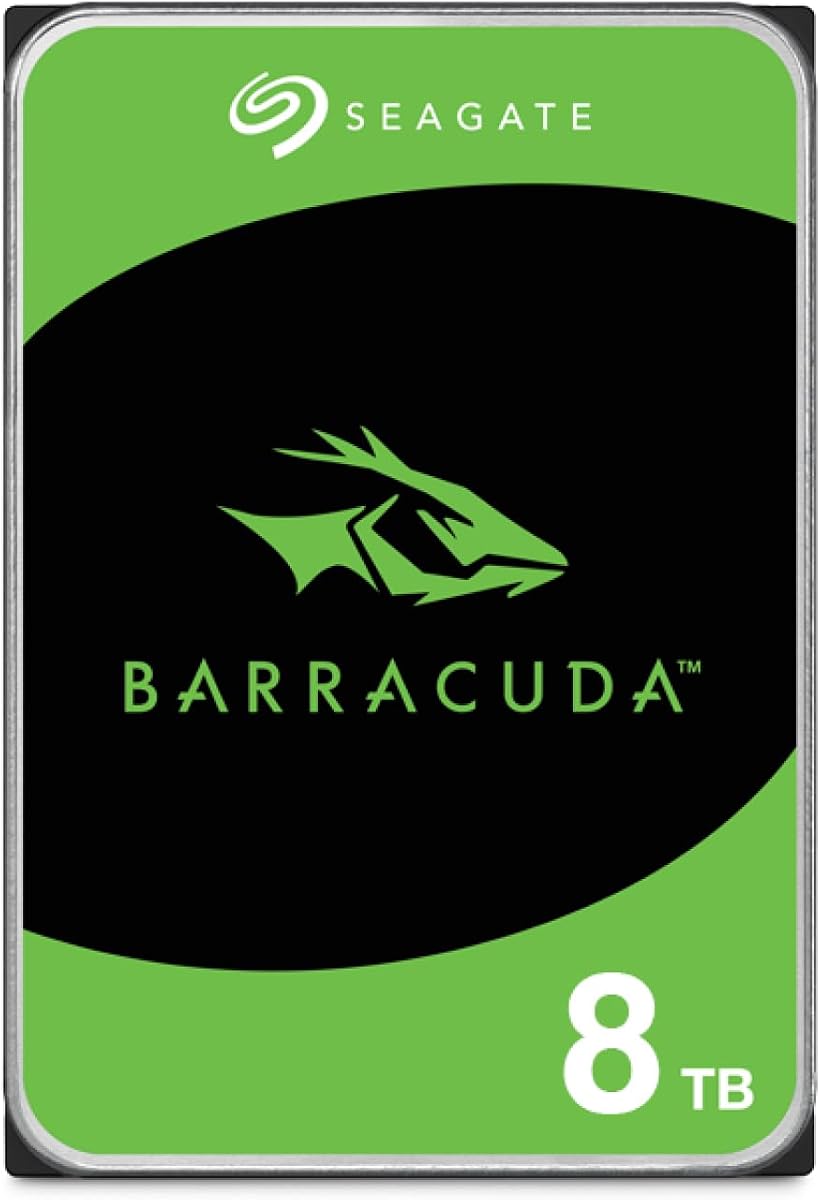
The Seagate BarraCuda series is known for reliability offering 8TB of storage at a competitive price point. This makes it a solid choice for recording setups where budget matters but capacity remains essential.
We may earn a commission when you buy through this link, at no additional cost to you.
With a sustained transfer rate of 190MB/s this drive handles standard video recording well. It is suitable for users who need extra space for archiving projects after recording sessions.
It lacks the high-end speeds of premium drives but provides dependable storage for less intensive workflows. The frustration free packaging simplifies the setup process for new builds.
Choose this drive if you need a dependable internal drive for general recording and storage. It balances cost and capacity effectively for desktop users needing more space.
Get ample storage space without breaking the bank allowing for broader project archives.
The standard SATA interface ensures it works with most desktop computers and recording setups.
We may earn a commission when you buy through this link, at no additional cost to you.
This portable drive offers a cost-effective way to expand your recording storage with 4TB of space. It is easy to use right out of the box with automatic recognition on most systems.
We may earn a commission when you buy through this link, at no additional cost to you.
The included 1-year rescue service adds peace of mind for valuable recorded data. USB 3.0 provides sufficient transfer speeds for backing up files or storing completed projects.
While not as fast as internal options it excels in portability and simplicity. The compact size makes it ideal for creators on the go needing quick access to files.
We recommend this for beginners or those needing a backup solution without spending much. It is an excellent budget-friendly tool for managing recorded content safely.
No drivers or software needed makes setup instant for recording on any computer.
The rescue service helps recover data if something goes wrong during recording sessions.
We may earn a commission when you buy through this link, at no additional cost to you.
The WD Elements portable drive gives you 6TB of storage in a slim and lightweight package. It is a great companion for recording tasks that require mobility and easy transport.
We may earn a commission when you buy through this link, at no additional cost to you.
USB 3.2 Gen 1 speeds ensure quick file transfers for moving recorded data between devices. The plug and play functionality works seamlessly with both PC and Mac systems.
While it may not match internal speeds for live recording it is perfect for offloading and backing up content. Its size makes it easy to carry to different recording locations.
Consider this if you need a reliable portable backup for your recordings. It offers a good balance of capacity and convenience for creators on the move.
Carry your storage easily between studios or remote recording sites without hassle.
USB 3.2 speeds save time when moving large video files around.
We may earn a commission when you buy through this link, at no additional cost to you.
This Ultrastar drive brings enterprise class performance to large scale recording needs with 24TB capacity. It is built for continuous operation handling heavy workloads better than consumer drives.
We may earn a commission when you buy through this link, at no additional cost to you.
The CMR technology ensures consistent performance for data intensive applications. With a high MTBF rating it is engineered for longevity in demanding recording environments.
While it might be overkill for basic recording it excels for archiving massive libraries of footage. The renewed option offers enterprise reliability at a lower cost point.
Ideal for professional studios needing long-term storage for recorded content. It provides the durability required for handling huge datasets efficiently.
Built to run 24/7 making it ideal for always-on recording servers.
Store years of video footage without worrying about running out of room.
We may earn a commission when you buy through this link, at no additional cost to you.
The WD Blue drive offers 12TB of reliable everyday storage suitable for storing recorded files. It comes with cloning software to help migrate your data easily to a new drive.
We may earn a commission when you buy through this link, at no additional cost to you.
With 7200 RPM speed it performs well for standard recording backups. The large capacity allows for keeping multiple project archives accessible on your system.
It is a dependable workhorse for users who need more space without specialized performance. The included software adds value by simplifying the transition to this new drive.
Choose this if you need a large internal drive for archiving recordings. It provides solid performance for general storage needs at a reasonable price point.
Move your existing recordings to this drive easily with the included Acronis tool.
Dependable for keeping your recorded content safe and accessible on your PC.
We may earn a commission when you buy through this link, at no additional cost to you.
This portable drive is small and lightweight making it easy to take anywhere. It offers 4TB of storage for backing up recordings on the go without bulk.
We may earn a commission when you buy through this link, at no additional cost to you.
SuperSpeed USB 3.2 Gen 1 provides fast transfer speeds to move files quickly. The plug and play feature means no extra software is needed to start using it.
While the capacity is modest compared to other drives it is perfect for quick backups. The lightweight design reduces the risk of damage during travel to recording sites.
Ideal for creators needing a secondary drive for immediate backups. It balances size and storage well for mobile workflows and quick data transfers.
Fits easily in a bag for transport to any recording location.
USB 3.2 ensures you can save recordings quickly without long waits.
We may earn a commission when you buy through this link, at no additional cost to you.
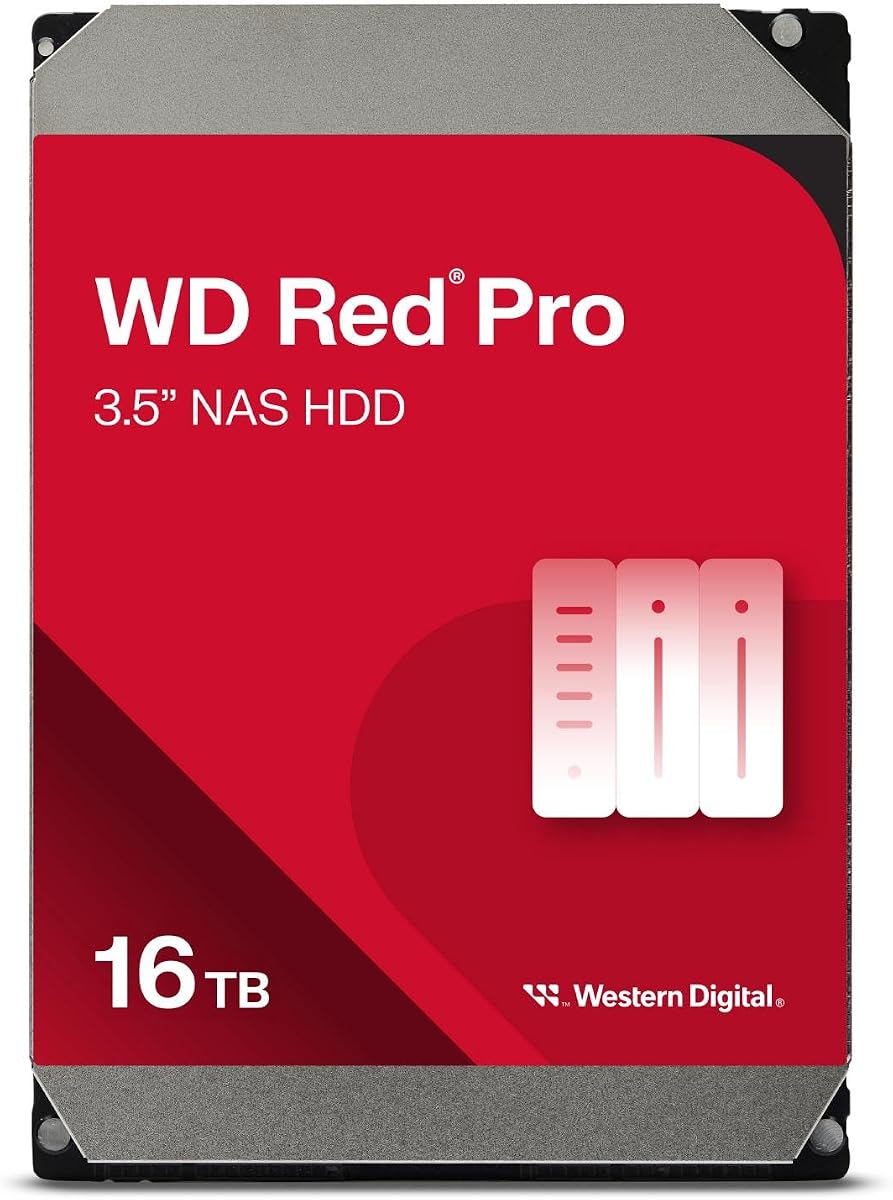
The WD Red Pro is built for NAS systems allowing multiple users to access recording data. With 16TB capacity it handles high intensity workflows typical in professional environments.
We may earn a commission when you buy through this link, at no additional cost to you.
CMR technology ensures consistent performance across different workloads. It is rated for high annual workload rates making it reliable for continuous recording sessions.
While it requires a NAS enclosure the benefits for team sharing are significant. The design supports 24×7 operation ideal for studios needing constant uptime.
Best suited for professional teams needing centralized storage. It provides the reliability and speed required for shared recording projects efficiently.
Works seamlessly with network attached storage for easy team file sharing.
Handles heavy data transfers better than standard desktop drives.
We may earn a commission when you buy through this link, at no additional cost to you.
This Exos drive delivers 26TB of capacity designed for large-scale data recording needs. It is built for enterprise environments where uptime and reliability are critical.
We may earn a commission when you buy through this link, at no additional cost to you.
With a high MTBF rating it ensures continuous operation for data-intensive applications. The 7200 RPM speed provides sustained performance for heavy workloads.
While it is geared towards enterprise setups the capacity is unmatched for large archives. The renewed option offers top-tier specs at a lower cost for professional users.
Perfect for studios needing maximum internal storage. It supports demanding workflows where data integrity and capacity are top priorities.
Built to run without interruption for professional recording workflows.
Store vast amounts of video without needing frequent hardware upgrades.
We may earn a commission when you buy through this link, at no additional cost to you.
This G-RAID drive combines two Ultrastar drives into one enclosure for 52TB of total storage. It offers Thunderbolt 3 speeds for incredibly fast transfer rates during recording.
We may earn a commission when you buy through this link, at no additional cost to you.
The RAID 0 setup improves performance for handling large files. Professional features like the SSD expansion slot add flexibility for future speed upgrades.
Its high price reflects its pro-level capabilities but the capacity and speed are unmatched. It is ideal for high-end video production workflows needing immediate access to massive data.
We recommend this for top-tier professionals prioritizing speed and capacity. It is a premium solution for serious recording and editing work.
Experience near-SSD transfer speeds for seamless recording workflows.
Store entire project libraries without needing to delete old files.
We may earn a commission when you buy through this link, at no additional cost to you.
Selecting the right hard drive involves balancing capacity speed and reliability. Consider these factors to ensure your storage supports your recording needs effectively.
Recording video and audio generates large files so capacity is crucial. Aim for drives that offer at least 4TB to accommodate multiple projects without frequent transfers.
Choose higher capacity drives if you plan to keep archives locally rather than on cloud services.
The interface determines how fast data moves between the drive and your computer. USB 3.2 and Thunderbolt 3 provide faster speeds than older USB 3.0 ports.
Prioritize faster interfaces for live recording to avoid dropped frames or lag.
Internal drives offer better performance but require installation inside your system. External drives are more portable and easier to connect but may have slight speed limitations.
Select internal for primary drives and external for backups or mobile setups.
Recording data can be irreplaceable so look for drives with high MTBF ratings. Enterprise class drives often have better reliability than consumer models for long-term use.
Check warranty terms and data recovery services to protect your important files.
CMR technology ensures consistent performance during heavy write operations common in recording. SMR drives may slow down when transferring large files frequently.
Always choose CMR drives for recording workflows to maintain steady speeds.
Rotational speed affects how quickly data is accessed on mechanical hard drives. 7200 RPM drives are faster than 5400 RPM models for read and write tasks.
Higher RPM means better performance for video editing and direct recording.
Hard drives vary widely in price based on capacity and performance tier. Determine how much you are willing to spend versus how much storage you actually need.
Balance cost with reliability to avoid losing valuable recordings due to drive failure.
Some drives allow adding SSD slots or have multiple bays for RAID setups. This flexibility helps upgrade storage as your recording needs grow over time.
Look for features that allow future expansion to protect your initial investment.
When connecting your drive ensure it is properly recognized by your system. Use the included cables and secure connections to avoid accidental disconnections during recording.
Regularly back up your recorded files to a second location. Keeping data on multiple drives reduces the risk of total loss if one drive fails.
Keep drives in a cool dry place away from direct sunlight or extreme temperatures. Proper ventilation helps maintain performance and extends the lifespan of mechanical components.
For video recording choose an internal drive with high RPM or an external drive with USB 3.2 Thunderbolt. Ensure it has enough capacity to hold your largest files without filling up.
SSDs offer better speed than mechanical drives but cost more. Use SSDs for active recording drives and mechanical drives for bulk storage of finished projects.
At minimum 4TB is recommended for casual recording. Professionals should opt for 10TB or more depending on the resolution and frequency of your sessions.
CMR provides consistent write speeds while SMR may slow down with large transfers. For recording CMR is preferred to maintain performance during heavy data usage.
Yes if it has a fast interface like USB 3.2 or Thunderbolt. However internal drives generally offer more stable performance for live capture tasks.
Back up after every recording session if possible. At minimum do it weekly to prevent losing data due to drive failure or corruption.
Our top picks include the WD Black for performance the Seagate Portable for budget and the SanDisk Professional for premium needs. Each offers distinct benefits for different recording scenarios.
Prioritize reliability and speed to match your workflow intensity. Whether you are an indie creator or professional studio selecting the right drive impacts your final output.
Remember to check current prices and availability before purchasing. Technology and deals change quickly so staying updated helps you get the best value for your budget.