
Garmin eTrex SE
4.2Editor score
Automatic cache updates from Geocaching Live
Up to 168 hours battery life
Water-resistant IPX7 rated design
Finding the right handheld GPS for geocaching can transform your outdoor adventures into thrilling treasure hunts. A quality device ensures you never lose your way while exploring remote trails, forests, or urban environments. It provides precise location data, reliable battery life, and durable construction to withstand harsh weather conditions during your search.
We evaluated ten leading models based on critical performance metrics like satellite acquisition speed, display readability in sunlight, and map customization options. Our analysis focused on real-world usability for geocachers, prioritizing devices that offer intuitive interfaces, long-lasting power, and robust connectivity features for sharing discoveries with the community.
Each pick highlights specific strengths tailored to different budgets and experience levels, from entry-level navigators to advanced units with premium mapping. Note that product availability and pricing may vary over time, so check current listings before purchasing. This guide aims to simplify your decision process with clear, factual comparisons.
4.2Editor score
4.3Editor score

4.1Editor score
As an Amazon Associate we earn from qualifying purchases.
This side-by-side comparison highlights key specifications across all ten models to help you quickly identify the best fit for your geocaching style. We focus on display size, battery endurance, satellite system support, and unique features like built-in cameras or preloaded maps that enhance the hunting experience.




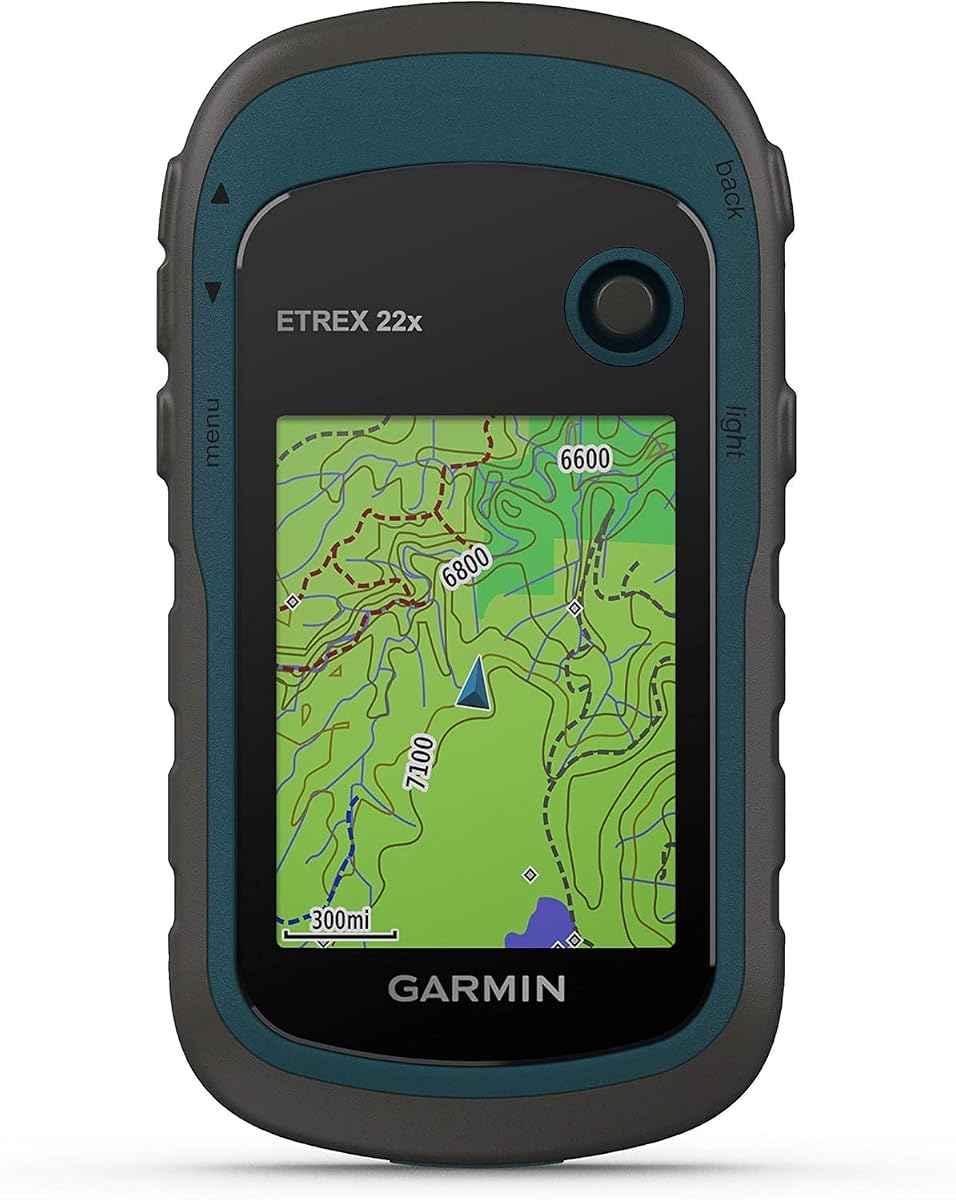
The Garmin eTrex 22x stands out as the premier choice for geocaching enthusiasts seeking a reliable balance between performance and usability. With a 4.3-star rating, users praise its ability to deliver precise location data even in challenging environments like dense forests or urban canyons.
We may earn a commission when you buy through this link, at no additional cost to you.
Its 2.2-inch sunlight-readable color display ensures you can view maps and waypoints clearly without glare, a critical feature for daytime hunting. The preloaded Topo Active maps provide routable roads and trails, making navigation intuitive whether you are cycling or hiking to a cache location.
While the device supports GPS and GLONASS systems for better tracking accuracy, some users note the display resolution is modest compared to modern smartphones. Additionally, relying on two AA batteries means carrying spares for long expeditions, though the 25-hour life is generally sufficient for most day trips.
For geocachers who prioritize durability and straightforward navigation over smartphone-like features, the eTrex 22x is the definitive recommendation. It offers the essential tools needed to find caches efficiently without unnecessary complexity, making it a trusted companion for adventurers of all skill levels.
Support for both GPS and GLONASS satellite systems allows the eTrex 22x to maintain a strong signal where single-system devices might struggle.
With 8 GB of internal memory plus a micro SD card slot, you can store extensive map data and waypoints for future adventures.
We may earn a commission when you buy through this link, at no additional cost to you.
The Garmin eTrex SE offers exceptional value for budget-conscious geocachers who need a straightforward tool to find caches without breaking the bank. Its 4.2-star rating reflects satisfaction with its core functionality, particularly the impressive battery life that keeps you exploring for days on a single charge.
We may earn a commission when you buy through this link, at no additional cost to you.
Pairing with the Garmin Explore app unlocks automatic cache updates from Geocaching Live, ensuring you have the latest descriptions and hints directly on your device. This integration bridges the gap between traditional handhelds and modern digital tools, enhancing the search experience without requiring a smartphone connection constantly.
The device supports multiple global navigation satellite systems, which improves accuracy in tricky spots where GPS signals might be weak. However, it lacks preloaded topographic maps, meaning you may need to add your own data for detailed trail navigation, and the interface remains basic compared to premium models.
If your primary goal is to log caches efficiently and you value battery longevity over advanced mapping, the eTrex SE is an ideal entry point. It delivers the fundamental GPS reliability geocaching demands while keeping costs low, making it accessible for beginners and occasional hikers alike.
With up to 168 hours of battery life in standard mode, the eTrex SE ensures you stay powered through multi-day expeditions without worry.
Wireless updates via the Garmin Explore app keep your software current and allow seamless transfer of cache information to your device.
We may earn a commission when you buy through this link, at no additional cost to you.
The Garmin Montana 680 targets users who demand the best features for their geocaching expeditions, offering a premium experience with a built-in camera and massive cache database. Its 4.1-star rating indicates strong performance, particularly for those who want to document finds visually without carrying a separate camera.
We may earn a commission when you buy through this link, at no additional cost to you.
With 250,000 preloaded worldwide geocaches, you can start searching immediately without needing to download individual files for every location. The high-sensitivity GPS receiver ensures you find caches even under heavy tree cover, and the touchscreen makes scrolling through waypoints and maps significantly more intuitive than button-only devices.
The 8 megapixel camera allows you to geotag photos automatically, which is perfect for sharing evidence of finds on community platforms. However, this advanced feature set comes at a higher cost, and the battery life may not match that of simpler models during extended off-grid use.
For serious geocachers who value convenience, visual documentation, and instant access to cache data, the Montana 680 is the top premium choice. It combines robust navigation capabilities with multimedia features that enhance the overall adventure, justifying its price for power users.
The preloaded database of 250,000 geocaches eliminates the need for manual downloads, letting you focus on the hunt instead of setup.
Geotagging photos with coordinates automatically ensures your cache logs are complete and professional without extra steps.
We may earn a commission when you buy through this link, at no additional cost to you.
The Garmin GPSMAP 66s provides a larger viewing experience with its 3-inch color display, making it easier to read complex maps and waypoints while navigating. As a renewed option, it offers a way to access high-end features at a more accessible price point, though buyers should verify warranty details.
We may earn a commission when you buy through this link, at no additional cost to you.
Equipped with a three-axis compass and barometric altimeter, this model gives you precise directional and elevation data, which is essential for finding caches in mountainous terrain. The wireless connectivity allows you to access Active Weather forecasts directly on the device, helping you plan hunts around safe conditions.
While the BirdsEye Satellite Imagery adds visual context to your maps, the interface can be overwhelming for users who prefer simple point-to-point navigation. Additionally, renewed products may vary in condition, so checking seller ratings is crucial before purchase to ensure you receive a functional unit.
Geocachers who need detailed topographic views and elevation tracking will appreciate the GPSMAP 66s capabilities. It bridges the gap between basic handhelds and advanced mapping tools, providing the data depth needed for challenging outdoor environments without requiring a subscription for basic maps.
The 3-inch screen allows for more detailed map viewing, reducing eye strain during long periods of outdoor navigation.
A barometric altimeter provides accurate altitude readings, helping you determine if a cache is in a high valley or deep canyon.
We may earn a commission when you buy through this link, at no additional cost to you.
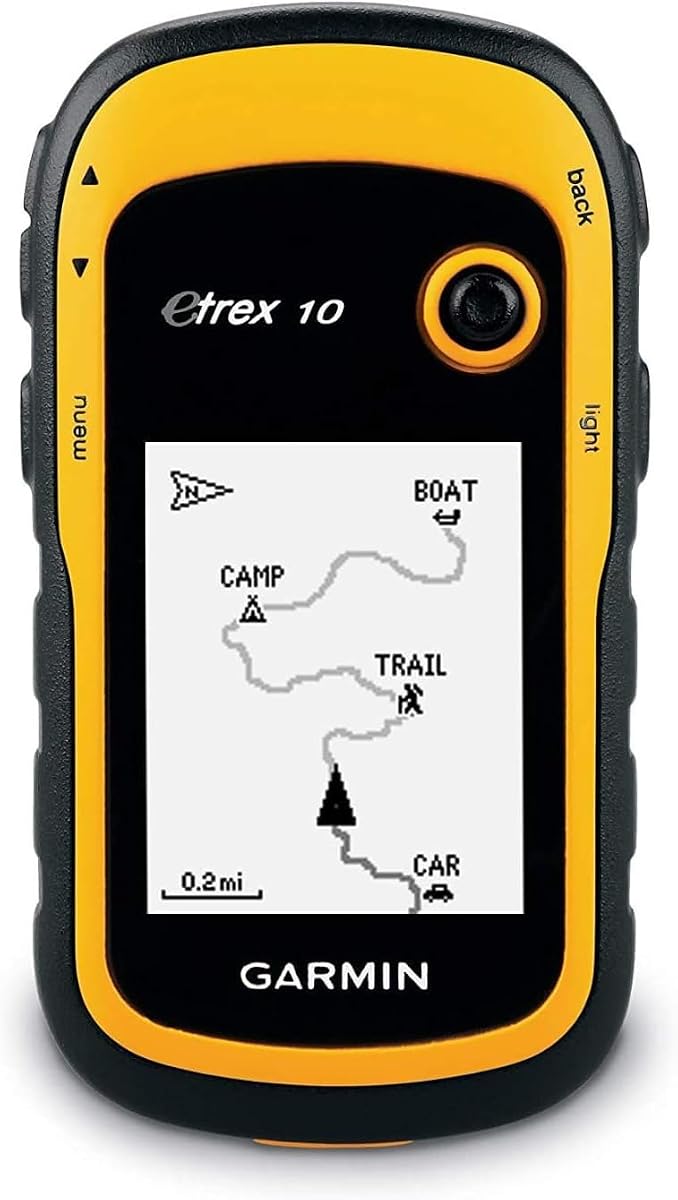
The Garmin eTrex 10 is designed for simplicity, offering a no-fuss way to track coordinates and navigate to cache locations without complex menus. Its 4.3-star rating highlights its reliability, making it a staple for those who want a dedicated GPS device that focuses on getting the job done.
We may earn a commission when you buy through this link, at no additional cost to you.
With a WAAS-enabled GPS receiver, this model ensures fast and accurate positioning, which is vital when you are searching in areas where signal strength fluctuates. The device is waterproof to IPX7 standards, meaning it can withstand rain or accidental splashes during your outdoor excursions.
The monochrome display is a limitation compared to color screens, as it lacks the visual appeal of modern maps, but it saves power and remains readable in bright light. Additionally, the lack of detailed preloaded maps means you rely on coordinates rather than visual terrain cues for navigation.
For beginners or those who prefer a rugged, basic tool over a feature-rich smartphone, the eTrex 10 is an excellent starting point. It eliminates distractions and provides the core functionality needed to find geocaches, keeping the focus on exploration and adventure.
WAAS enhancement improves GPS accuracy, helping you locate caches down to a few feet for easier searching.
The waterproof build ensures the device survives exposure to rain and mud, keeping it functional in all seasons.
We may earn a commission when you buy through this link, at no additional cost to you.
This handheld GPS for hiking offers a compelling alternative for those seeking a budget-friendly device with modern features like a large color screen and rechargeable battery. With a 3.9-star rating, it provides solid performance for casual geocachers who want a larger display for navigating without the premium price tag.
We may earn a commission when you buy through this link, at no additional cost to you.
The inclusion of USA Topo maps and support for multiple satellite systems allows for reliable tracking across the country. Users appreciate the anti-slip design and physical buttons, which offer better control than touch-only devices when wearing gloves or in wet conditions.
While the IP66 rating protects against water and dust, long-term durability may not match that of established outdoor brands like Garmin. Additionally, software updates and community support may be less frequent, which could limit long-term usability as map standards evolve.
For users who want a cost-effective way to access geocaching with decent mapping capabilities, this device is a viable option. It brings many high-end features to a lower price range, making it accessible to hobbyists who do not require professional-grade ruggedness.
USB-C charging allows you to power the device easily, eliminating the need to purchase disposable batteries frequently.
Preloaded USA Topo maps mean you can start navigating trails immediately without needing to download extra data files.
We may earn a commission when you buy through this link, at no additional cost to you.
The Garmin eTrex 32x builds on the success of its predecessors by adding a compass and barometric altimeter, making it a versatile tool for navigating complex terrains. With a 4.2-star rating, it is praised for its rugged construction and ability to maintain signal strength in difficult environments.
We may earn a commission when you buy through this link, at no additional cost to you.
The inclusion of a 3-axis compass provides accurate heading even when stationary, which is crucial when you are standing still trying to locate a cache hidden in foliage. The 8 GB internal memory combined with a micro SD slot gives you plenty of space to store custom maps and track logs.
While it lacks a touchscreen, the physical buttons allow for precise input in cold weather or when wearing gloves, which some users prefer over glass interfaces. However, the price point places it above entry-level units, so you must decide if the additional sensor features are worth the investment for your needs.
For geocachers who want enhanced navigation tools like altitude and bearing without paying for a touchscreen model, the eTrex 32x is a strong contender. It balances performance and durability, offering the right mix of features for regular explorers who demand reliability in the field.
The built-in compass provides reliable heading information even when standing still, aiding in pinpointing hidden caches.
With 8 GB internal memory and a micro SD slot, you can load detailed regional maps for specific geocaching areas.
We may earn a commission when you buy through this link, at no additional cost to you.
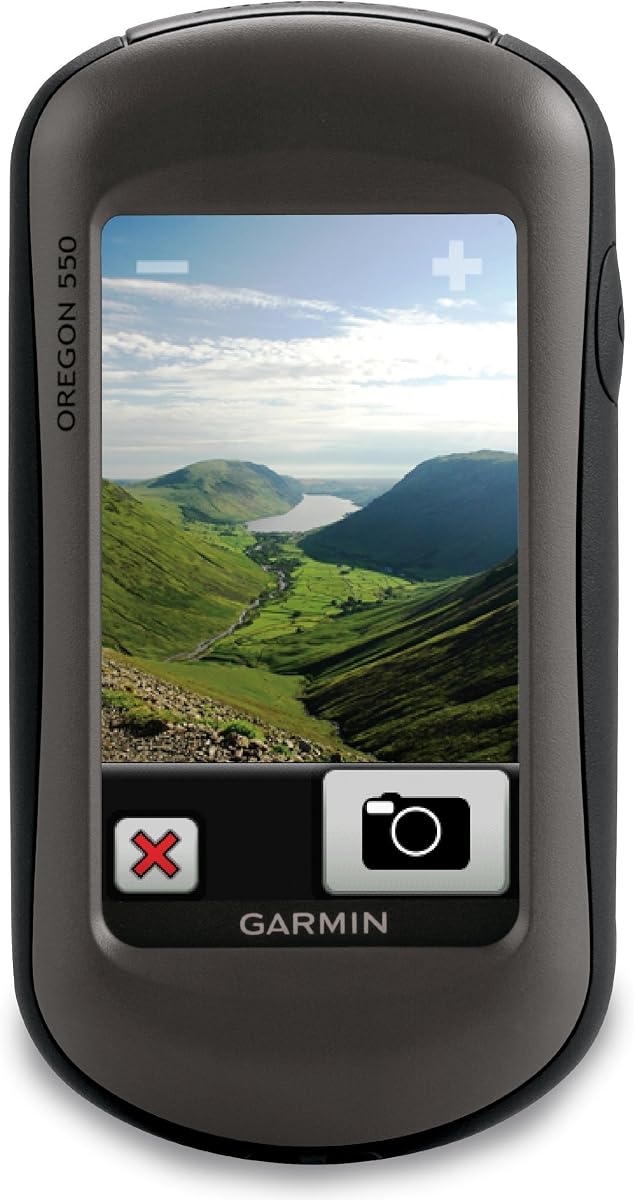
The Garmin Oregon 550T is a favorite among geocachers who want to capture their finds instantly with a built-in digital camera. Its 4.3-star rating reflects satisfaction with its ruggedness and ease of use, making it a reliable tool for documenting cache locations and logging entries.
We may earn a commission when you buy through this link, at no additional cost to you.
The 3-inch color touchscreen makes interacting with maps and waypoints straightforward, while the autofocus camera ensures you take clear photos of your discoveries. The barometric altimeter provides precise elevation data, which helps in navigating mountainous areas or understanding the vertical context of your hunt.
As an older model, software support may be limited compared to newer devices, and the price can be high for a used or renewed unit. However, for those who value the integrated camera and touchscreen functionality over modern updates, it remains a powerful tool for outdoor navigation.
For users who prioritize visual documentation and want an all-in-one device for photos and navigation, the Oregon 550T is a solid choice. It simplifies the process of logging finds by combining a camera and GPS into a single rugged unit that withstands outdoor elements.
The 3.2MP camera allows you to take photos of the cache without needing a separate device for documentation.
The barometric altimeter tracks pressure changes to give you precise elevation readings, essential for vertical navigation.
We may earn a commission when you buy through this link, at no additional cost to you.
The Montana 680 brings advanced capabilities to the geocaching community, offering a seamless experience with thousands of preloaded caches and a high-resolution camera for documenting finds. It is designed for users who want a versatile device that handles multiple outdoor activities beyond just finding caches.
We may earn a commission when you buy through this link, at no additional cost to you.
Its 8 megapixel camera takes sharp images that can be geotagged automatically, saving time when logging entries online. The preloaded geocache database ensures you can start hunting immediately, and the BirdsEye imagery provides a bird's-eye view of the terrain to assist in planning your approach.
While feature-rich, the device can be complex for casual users who might find the interface overwhelming. Additionally, utilizing the touchscreen and camera consumes battery faster than simpler models, requiring more frequent recharging on extended trips.
For dedicated geocachers who value visual documentation and instant access to cache data, the Montana 680 is a top-tier option. It combines technology and ruggedness to create a seamless adventure experience, justifying its complexity with significant utility for power users.
With 250,000 caches preloaded, you can start finding treasures immediately without spending time on setup or downloads.
The 8-megapixel camera captures detailed photos for your cache logs, enhancing the quality of your online contributions.
We may earn a commission when you buy through this link, at no additional cost to you.
The Garmin Oregon 200 offers a compact solution for geocaching, featuring a color display and worldwide basemap to help you find caches anywhere. With a 3.2-star rating, it is appreciated for its portability and ease of use, making it suitable for casual outings rather than serious expeditions.
We may earn a commission when you buy through this link, at no additional cost to you.
Its touch-screen interface allows for intuitive navigation through menus and maps, while the built-in basemap ensures you always have a reference layer. The inclusion of user profiles means different people can set up their own settings, making it a flexible option for families or friends exploring together.
While it covers the basics well, the device lacks the advanced sensors and battery life of higher-end models, limiting its use for long trips. Users may also find the screen resolution and brightness lower than newer devices, which could affect readability in bright sunlight.
For those seeking a simple, affordable entry point into geocaching with minimal setup requirements, the Oregon 200 is a solid choice. It provides the essential GPS functionality needed to locate caches without overwhelming you with complex features or expensive subscriptions.
The compact design fits easily in your pocket, allowing you to carry it on short walks without feeling burdened.
The worldwide basemap ensures you have basic geographical context no matter where you travel or explore.
We may earn a commission when you buy through this link, at no additional cost to you.
Selecting the right handheld GPS for geocaching depends on understanding your specific needs and how you plan to use the device. We examine the most critical factors to consider before making a purchase.
A clear, readable display is essential for viewing maps and waypoints in bright sunlight. Look for devices with sunlight-readable screens that offer enough resolution to read small text without squinting.
Prioritize models with large, high-contrast screens to ensure you can navigate easily without straining your eyes during long hunts.
Battery life varies significantly between models, ranging from 20 hours to over 100 hours depending on the settings. For extended trips, consider devices with long endurance or the ability to swap AA batteries easily.
Always check if the device uses rechargeable batteries or disposable AA cells to match your power availability on the trail.
Modern GPS units often support multiple satellite systems like GPS, GLONASS, and Galileo to improve accuracy. This support ensures you get a strong signal even in dense forests or urban canyons.
Choose a device with multi-GNSS support to maximize your chances of finding caches in challenging environments.
Preloaded maps, especially topographic ones, save time and help you navigate complex trails. Some models come with worldwide basemaps, while others include detailed regional data.
Ensure the device supports map expansion via microSD cards if you plan to load detailed maps for specific regions.
Geocaching often takes you through mud, rain, and rough terrain, so a rugged build is vital. Look for waterproof ratings like IPX7 to protect against accidental splashes or rain.
Prioritize devices with reinforced casing and sealed ports to ensure longevity in harsh outdoor conditions.
Features like compasses, barometric altimeters, and digital cameras add value for serious geocachers. These tools help you navigate precisely and document your finds effectively.
Decide if you need these extras based on your hiking style, as they may increase cost and complexity.
An intuitive interface allows you to focus on finding caches rather than navigating menus. Touchscreens offer ease, but physical buttons work better in cold or wet conditions.
Choose a control style that matches your comfort level to avoid frustration during your adventure.
Wireless connectivity allows you to update maps and receive cache data from your smartphone. This feature keeps your device current without needing a computer.
Look for Bluetooth or Wi-Fi capabilities to ensure seamless integration with mobile apps for a better experience.
To get started, fully charge the device and turn it on in an open area with a clear view of the sky. Allow a few minutes for the GPS receiver to acquire satellite signals before heading into dense cover.
Use the waypoints feature to mark cache locations and create a route to navigate back to your starting point. Regularly check battery levels and carry spare batteries for long hikes to avoid getting stranded without power.
Protect your device from extreme temperatures and moisture by storing it in a waterproof case when not in use. Keep the lens and screen clean with a soft cloth to ensure optimal visibility and functionality over time.
Handheld GPS devices offer longer battery life, better water resistance, and more accurate signal reception in remote areas. Unlike smartphones, they are rugged and built to withstand harsh outdoor conditions without needing constant charging.
Many models come with preloaded topographic maps for free, but some premium features like satellite imagery may require a subscription. Check the product details to understand what maps are included before purchasing.
The time varies based on the device and environment, but warm starts usually take just a few minutes. Cold starts in areas with no signal may take longer, so start up before heading deep into the woods.
Yes, handheld GPS units work independently of the internet by connecting directly to satellites. You only need internet to download initial map updates or sync with apps, but navigation works offline.
Always check the waterproof rating and dry the device thoroughly after use in rain. Store it in a dry place and inspect seals regularly to maintain its water resistance over time.
Most modern handheld GPS units are designed with user-friendly interfaces and simple menus. They often include helpful tutorials to guide you through basic navigation tasks quickly.
Choosing the right handheld GPS for geocaching ensures you have the tools to find caches efficiently and safely. The Garmin eTrex 22x, eTrex SE, and Montana 680 offer top performance across different needs and budgets.
Prioritize features like battery life, display clarity, and satellite support to match your outdoor habits. A rugged build and preloaded maps can make a significant difference in your adventure experience.
Always check current prices and availability before buying to ensure you get the best deal for your chosen model. Investing in a reliable device now will pay off with countless successful treasure hunts ahead.