Digital Electric Sub Meters for Landlords
4.5Editor score
ANSI Form 2S socket base
120/240V single phase
Pulse and Modbus output
Find the best electric sub meter for 2026. We compare top models for accuracy, pricing, and solar monitoring to help landlords and homeowners choose.
Choosing the right electric sub meter helps you track energy usage accurately across multiple tenants or circuits. These devices provide detailed data to ensure fair billing and efficient power management for various electrical systems.
We evaluated ten top-rated models based on their accuracy, connectivity options, and ease of installation. Each product was assessed for compatibility with standard panels, durability under load, and support for modern monitoring tools.
Every pick highlights specific strengths like budget friendliness, cloud integration, or high amp capacity. Note that product availability and pricing fluctuate frequently, so verify current details before making your final purchase decision.
4.5Editor score

4.8Editor score
4.5Editor score
The following table provides a side-by-side comparison of all ten selected electric sub meters. It highlights key specifications such as voltage range, amperage capacity, communication protocols, and specific use case strengths to help you narrow down your choice quickly.


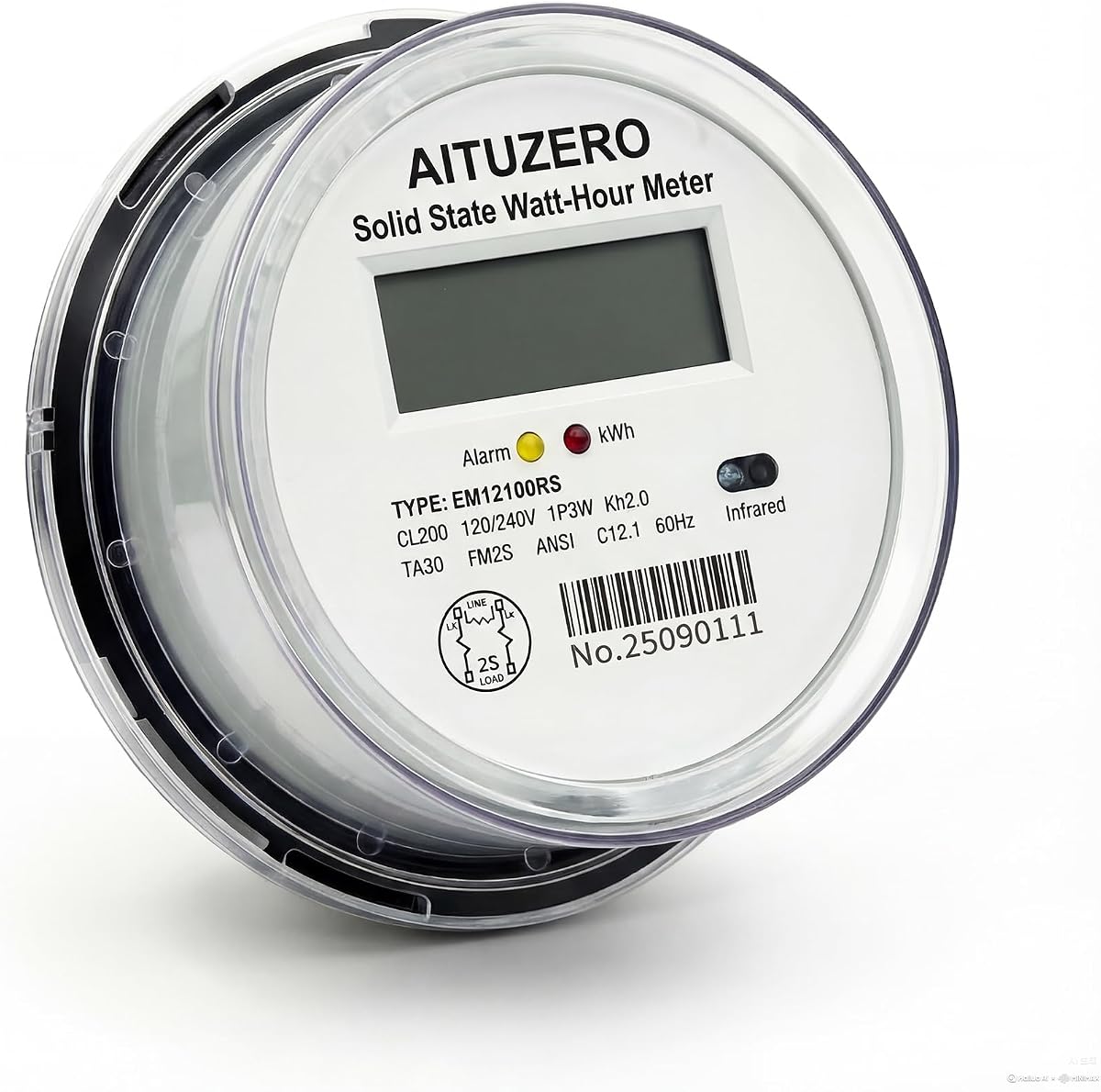
This digital electric sub meter stands out as the most affordable entry point for sub-metering needs. With a 4.5 star rating, it delivers reliable performance for landlords and RV park owners who need accurate kWh tracking without breaking the bank.
We may earn a commission when you buy through this link, at no additional cost to you.
Its design fits standard ANSI Form 2S sockets, making installation straightforward for most electrical panels. The LCD display cycles through voltage, current, and power metrics, while the reverse LED helps verify solar flow direction quickly and effectively.
While it lacks built-in cloud connectivity, the pulse output allows integration with external systems. The lack of advanced networking features means you might need extra hardware for remote monitoring, but this trade-off keeps the unit cost low.
Buyers seeking a budget-friendly solution for tenant billing or workshop energy tracking will find this model highly effective. Its simplicity ensures it works well in garage, RV, and small apartment setups where complex features are unnecessary.
The snap-in design allows users to install this meter into standard sockets without specialized tools, speeding up deployment in rental units.
Solar users can track import and export energy flow thanks to the reverse flow LED, which provides instant visual feedback on system direction.
We may earn a commission when you buy through this link, at no additional cost to you.
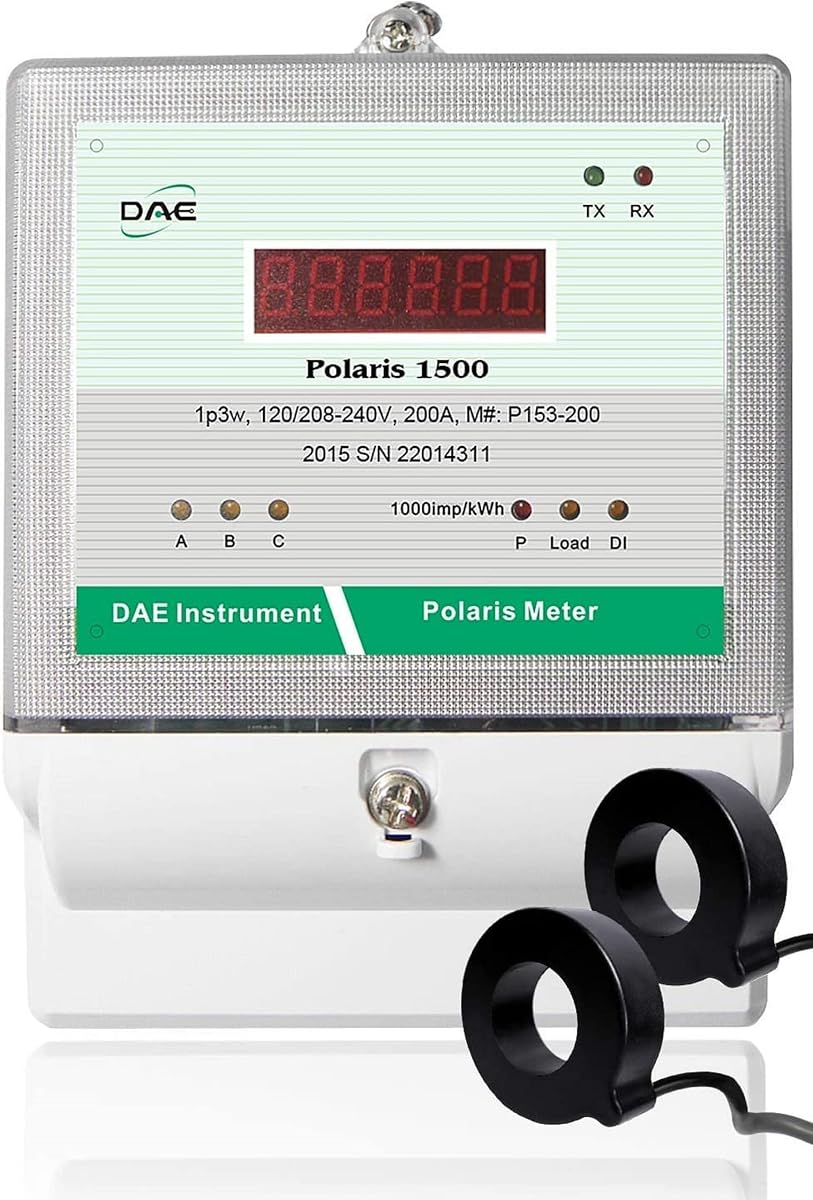
With a 4.8 star rating, this digital electric sub meter offers an excellent balance of features and reliability. It is our Editor's Choice for those who need robust data collection without investing in enterprise-level systems immediately.
We may earn a commission when you buy through this link, at no additional cost to you.
The RS485 Modbus interface allows you to connect multiple meters to a central gateway easily. This feature is crucial for property managers needing detailed usage data across several units, and the large backlit LCD ensures visibility in dim conditions.
Although it stores data reliably with non-volatile memory, you still need external hardware to send that data to the cloud. This adds a layer of complexity compared to cloud-native solutions, but it offers greater control over your network setup.
Ideal for workshop owners or landlords managing multiple tenants, this unit ensures you never lose critical usage history. Its high accuracy and strong build quality justify the moderate price point for anyone serious about energy monitoring.
RS485 Modbus support lets you scale your monitoring system by connecting many meters to one gateway for centralized data collection.
EEPROM memory retains all your kWh data even if power cuts out, ensuring no consumption records are lost during maintenance or storms.
We may earn a commission when you buy through this link, at no additional cost to you.
This premium kit delivers professional-grade accuracy and advanced billing capabilities for commercial or high-end residential use. The 4.5 star rating reflects its precision and the value provided by its compliance with strict industry standards.
We may earn a commission when you buy through this link, at no additional cost to you.
Designed for landlords who need to issue accurate bills, this meter supports Time of Use billing reports through the DAE Cloud system. This helps property managers maximize revenue by tracking peak and off-peak usage efficiently across multiple tenants.
While the initial cost is higher than basic models, the revenue-grade accuracy ensures fair billing and reduces disputes. You will need to purchase a gateway separately for full cloud functionality, but this setup provides enterprise-level reporting features.
Choose this kit if you require verified accuracy for commercial billing or need to integrate with existing smart building systems. Its certification and detailed reporting features make it a top choice for serious property managers and facility engineers.
Meeting ANSI C12.20 standards, this meter offers 0.5 percent accuracy, ensuring fair billing and reducing disputes with tenants over energy costs.
Compatible with the DAE CC2030 Gateway, this unit sends data over Ethernet so you can track usage from anywhere using your phone or PC.
We may earn a commission when you buy through this link, at no additional cost to you.
This Series 2000 meter focuses on durability and high amperage capacity for demanding environments. While its rating is lower than competitors, it remains a solid choice for spaces needing robust construction and broad voltage compatibility.
We may earn a commission when you buy through this link, at no additional cost to you.
The enclosure is built to withstand outdoor conditions, making it suitable for remote installations like barns or workshops. Its ability to handle 200 amps ensures it can support heavy industrial loads without overheating or failing under stress.
Users note that the unit lacks advanced communication features found in modern smart meters. If you need remote monitoring, you may need to pair it with separate hardware, which adds complexity to the installation process.
Ideal for industrial users prioritizing physical durability over digital features, this meter provides reliable energy tracking for large systems. Check current specs before buying to ensure it meets your specific networking requirements.
The durable enclosure protects the internal components from weather and physical damage, making this unit suitable for outdoor or industrial installations.
Rated for up to 200 amps, this meter handles heavy industrial loads effectively, ensuring accurate monitoring even under high power demand.
We may earn a commission when you buy through this link, at no additional cost to you.
This compact submeter offers cloud capabilities for those managing smaller circuits. With a 4.4 star rating, it provides a convenient path for landlords to access remote data without complex wiring solutions.
We may earn a commission when you buy through this link, at no additional cost to you.
The internal current transformer simplifies installation since you do not need external sensors for the 50A load. RS485 communication ensures you can connect it to a DAE gateway to start tracking usage immediately.
While it is a robust tool for indoor use, outdoor applications require an additional watertight enclosure. This requirement adds to the total cost and effort needed for exterior setups, so consider your location carefully.
Best suited for indoor panels or small offices, this model balances price with cloud integration. If you need remote access for tenants, this unit offers a clear path to billing reports without needing dedicated IT staff.
Built-in current transformers reduce the need for external wiring, making installation faster and cleaner for indoor panels and smaller electrical circuits.
Link to the DAE Cloud system to generate automated monthly bills for tenants, saving time and ensuring transparency in energy usage charges.
We may earn a commission when you buy through this link, at no additional cost to you.
This three-phase kit is essential for commercial facilities needing precise energy tracking across balanced loads. It carries the same premium features as the single-phase variant but adapts them for three-phase electrical systems.
We may earn a commission when you buy through this link, at no additional cost to you.
The UL CTEP listing ensures high accuracy, making it suitable for billing tenants in large commercial buildings. With a 4.5 star rating, users appreciate the reliability and the detailed data it provides for energy audits.
While powerful, installing this unit requires specialized knowledge of three-phase wiring. Ensure you have a qualified electrician handle the setup to avoid safety risks and to maintain the warranty on the system components.
Ideal for warehouses or large offices, this meter ensures you can track power usage across all three phases accurately. Its compatibility with cloud reporting makes it easy to manage energy costs for complex commercial spaces.
Designed for three-phase systems, this meter tracks consumption on each leg independently, providing complete visibility into complex commercial electrical loads.
Compliance with ANSI standards ensures billing accuracy, reducing disputes with commercial tenants and helping facility managers optimize operational costs effectively.
We may earn a commission when you buy through this link, at no additional cost to you.
This pass-through meter is designed for straightforward energy monitoring without the complexity of external CTs. It works well for 100A panels where you want to track total usage without splitting circuits manually.
We may earn a commission when you buy through this link, at no additional cost to you.
The unit features a simple LCD display for local readings and offers a pulse output for basic remote logging. Its 4.4 star rating indicates reliable performance for users who prioritize simplicity over smart features.
It accommodates a range of wire sizes, making it flexible for different installation scenarios. However, it does not support cloud connectivity, which means you must use separate hardware to send data elsewhere.
Best for homeowners or small businesses needing simple metering, this model is easy to install and maintains accuracy. Choose it if you want a no-fuss solution for tracking total energy consumption in a standard panel.
Wires pass directly through the meter, simplifying the installation process and removing the need for additional current transformer accessories.
A clear LCD display lets you view energy consumption instantly, ensuring you have immediate access to usage data without needing external tools.
We may earn a commission when you buy through this link, at no additional cost to you.
This kit is a top-rated option for indoor electrical panels due to its clean din rail design. With a perfect 5.0 star rating, users praise its ease of use and accurate monitoring capabilities.
We may earn a commission when you buy through this link, at no additional cost to you.
The internal current transformers eliminate the need for bulky external sensors, keeping the panel neat. It fits into standard din rail enclosures and provides reliable tracking for mixed 120V and 240V circuits.
While it supports cloud reporting, you need a separate gateway to connect to the network. This requirement adds a small step to the setup but ensures you still get the benefits of remote billing and data access.
Perfect for home workshops or small offices, this meter offers excellent value and reliability. Its high rating suggests minimal failures and consistent performance for anyone needing accurate indoor energy tracking.
The compact design allows for easy mounting on standard din rails, saving space inside electrical panels and keeping the installation tidy and organized.
Internal current transformers simplify wiring, removing the need for external CTs and reducing potential points of failure in the power setup.
We may earn a commission when you buy through this link, at no additional cost to you.
This universal meter adapts to both 2-wire and 3-wire systems, making it highly versatile for older or varied electrical setups. It is rated for 100A and supports a wide range of wire sizes for flexible installation.
We may earn a commission when you buy through this link, at no additional cost to you.
With a 4.5 star rating, it performs reliably for basic monitoring needs. Users can read data locally on the LCD or connect to pulse counters for basic remote tracking without needing complex networking.
It lacks advanced cloud features, which limits its utility for automated tenant billing. However, its straightforward design ensures longevity and ease of repair if something goes wrong over time.
Ideal for retrofits or simple residential monitoring, this unit handles various configurations without issue. Choose it if you need a robust and adaptable meter for older systems or diverse wiring setups.
Supports both 2-wire and 3-wire setups, allowing this meter to fit older panels or varied electrical systems without requiring custom modifications.
Read data locally on the LCD or connect to pulse output for basic remote tracking, giving you flexibility in how you monitor your energy usage.
We may earn a commission when you buy through this link, at no additional cost to you.
This unit is designed for high-accuracy metering in commercial environments. As a Class 1000 meter, it ensures precise billing data for those requiring strict measurement standards across multiple phases.
We may earn a commission when you buy through this link, at no additional cost to you.
The 4.2 star rating reflects its reliability for core metering tasks. While it supports 1 or 2 phase systems, it does not offer advanced smart connectivity as standard, which may require extra add-ons for remote access.
The price is higher than many competitors due to its accuracy class and build quality. This investment pays off for businesses that need precise data for utility audits or detailed financial reporting.
Choose this meter if you need certified accuracy for commercial billing. It is best suited for facilities where measurement precision is critical and budget allows for premium metering equipment.
Class 1000 rating ensures high precision for commercial applications where accurate billing and detailed energy data are critical for financial management.
Supports both 1 and 2 phase systems, offering flexibility for different electrical configurations found in various commercial or industrial settings.
We may earn a commission when you buy through this link, at no additional cost to you.
Selecting the right electric sub meter requires balancing technical requirements with budget constraints. This guide covers the essential factors to consider before making your final decision.
Ensure the meter matches your electrical panel's voltage and phase configuration. Most residential units operate at 120/240V single phase, while commercial spaces may need three-phase support for accurate tracking.
Check that the meter supports your system's voltage and phase to avoid installation errors.
The amperage rating must accommodate the total load of the circuits you intend to monitor. If you are sub-metering a main panel, a 200A unit might be necessary for full coverage.
Select an amperage rating that exceeds your expected total load to ensure safety and accuracy.
Modern meters offer connectivity like RS485 Modbus or pulse outputs for remote monitoring. These features are vital for landlords who need to track usage across multiple units without visiting each one.
Choose a communication protocol that aligns with your existing or planned monitoring infrastructure.
Some models support cloud gateways for real-time data access. This is particularly useful for automated billing and remote audits without manual data collection.
Verify if the meter supports cloud integration to streamline your data collection process.
Look for meters that meet ANSI or IEC standards for accuracy. Revenue-grade meters ensure you bill tenants correctly, reducing disputes and improving tenant satisfaction.
Prioritize revenue-grade accuracy if billing accuracy is a top priority for your project.
Consider whether the meter needs a specific socket base or if it is a pass-through design. Some models require external current transformers, which adds to the installation time and cost.
Opt for a design that simplifies your installation process, such as integrated CTs or snap-in bases.
Prices vary significantly based on features. Basic models are affordable but lack smart features, while premium units offer advanced networking but cost more. Determine your needs before setting a budget.
Balance cost with necessary features to avoid overspending on capabilities you won't use.
If installing outdoors, ensure the meter has a suitable enclosure rating. Sealed housings protect against weather and dust, extending the lifespan of the device.
Choose a ruggedized model for outdoor or harsh industrial environments to ensure longevity.
Always shut off power before installing any electric sub meter. Verify the voltage rating matches your panel to ensure safe and accurate operation.
For models with RS485 or pulse outputs, connect them to your gateway or data logger properly. This ensures all usage data is captured correctly for future analysis.
Periodically clean the LCD screen and check connections for loose wires. Regular maintenance ensures the unit remains accurate and extends its operational lifespan.
Yes, but only if the unit has a weather-resistant enclosure. Many indoor models require a separate watertight housing to survive outdoor elements. Always verify the product's weather rating before installation.
Some models come with integrated CTs, while others require external sensors. Check the product specifications to see if CTs are included. This distinction affects the complexity of your installation process.
You can read data directly from the LCD display or connect the meter to a gateway for remote access. The method depends on the model you choose and your network capabilities.
Many models support import and export tracking, which is essential for solar users. Check for a reverse flow LED or bidirectional capability to ensure solar generation is tracked accurately.
Yes, electrical work should be done by a licensed electrician. Improper installation can be dangerous and may violate local codes. Always consult a professional for panel connections.
Most models range from 1 percent to 0.5 percent accuracy. Revenue-grade units offer higher precision for commercial billing. Check the ANSI or IEC standard listed for specific details.
Remote tracking typically requires a local network or cloud gateway. Without a gateway, you must read the LCD display manually. Plan for hardware that suits your connectivity needs.
Look for certifications like UL CTEP or ANSI C12.20. These indicate the meter meets strict accuracy standards for billing. This certification is essential for commercial tenant charges.
We have reviewed ten top models ranging from budget-friendly plug-ins to premium cloud-ready kits. The Editor's Choice offers the best balance of features for most users, while the Budget pick serves smaller needs well.
Prioritize accuracy and connectivity based on your specific use case. If you need automated billing, look for cloud support. If you just need basic tracking, a simple pass-through model may suffice.
Remember that pricing and availability change frequently. Always verify current stock and specifications on the vendor site before finalizing your purchase to ensure you get the right fit for your system.