
acer USB 3.0 HDMI Capture Card
4.4Editor score
4K input with 1080P output
Mic-in for easy commentary
Plug and play setup
This comprehensive guide compares the top ten dual PC streaming setup capture cards for professional and casual broadcasters looking for high quality performanc
Creating a professional streaming environment often requires splitting your gaming and broadcasting tasks across two computers. A high quality capture card bridges this gap by transmitting video signals with minimal latency and maximum fidelity.
We evaluated ten leading models based on resolution support, frame rates, connectivity options, and overall compatibility with major streaming software. This list covers everything from budget friendly USB dongles to premium internal PCIe solutions.
Each pick highlights specific strengths and weaknesses to help you match the hardware to your unique workflow. Please note that prices and availability fluctuate frequently so verify current details before purchasing.
4.4Editor score
4.5Editor score

4.5Editor score
The following table provides a side-by-side comparison of all ten selected capture cards to help you quickly identify the model that fits your specific streaming needs.


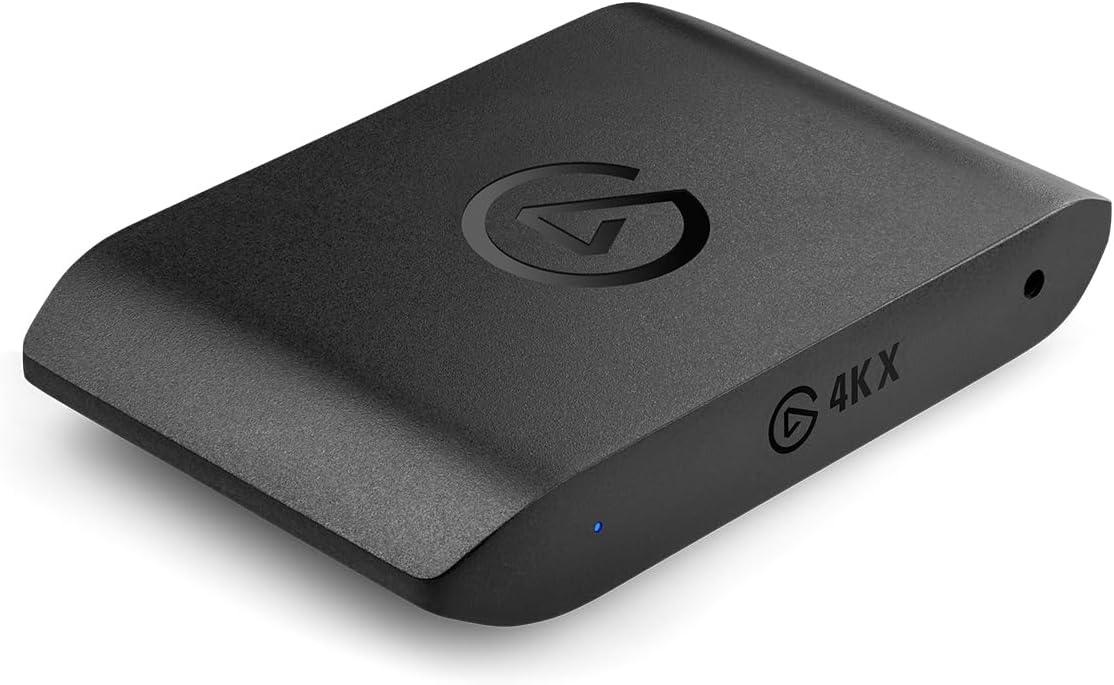
The Elgato 4K X stands out as the top recommendation for serious streamers who demand high fidelity and speed. With a rating of 4.5 stars it delivers exceptional performance for dual PC setups requiring robust video transmission.
We may earn a commission when you buy through this link, at no additional cost to you.
Its HDMI 2.1 support allows for capturing gameplay at 4K resolutions and up to 144 frames per second. The USB 3.2 Gen 2 connection ensures that the data transfer keeps pace with the high bandwidth requirements of modern gaming.
While the price is higher than average the inclusion of VRR passthrough and ultra-low latency makes it a worthwhile investment for competitive gaming streams where every millisecond counts.
We recommend this card for professional broadcasters and enthusiasts who need reliable hardware that can handle next-generation consoles and high-refresh-rate monitors without compromise.
The USB 3.2 Gen 2 interface minimizes delay between gameplay and broadcast ensuring viewers see actions in real time.
Support for 4K144 capture ensures that high motion scenes remain crisp and clear during intense gaming moments.
We may earn a commission when you buy through this link, at no additional cost to you.
This internal capture card offers a permanent and robust solution for users who prefer installing hardware directly into their PC. It provides solid performance for streaming and recording with a focus on high frame rate capture.
We may earn a commission when you buy through this link, at no additional cost to you.
The ability to record at 240fps at 1080p makes it ideal for capturing high motion action without losing detail. The near-zero latency passthrough ensures that gameplay remains smooth while broadcasting.
While it lacks HDMI 2.1 support found in newer models its PCIe design ensures stable performance without external power or cable clutter. The lifetime warranty adds significant value for long-term users.
This is an excellent choice for streamers with available PCIe slots who prioritize recording capabilities and stability over external portability.
PCIe connectivity eliminates potential USB bottlenecks ensuring a stable connection for long streaming sessions.
Capture intense gaming moments at 240fps to preserve every detail for later editing or archival purposes.
We may earn a commission when you buy through this link, at no additional cost to you.
The RØDE X Streamer X is unique because it combines a video capture card with a professional audio interface. This dual functionality simplifies setups for streamers who want to manage audio and video in one device.
We may earn a commission when you buy through this link, at no additional cost to you.
It allows you to connect two computers simultaneously via dual USB-C outputs which is perfect for dual PC workflows. The built-in wireless receiver supports RØDE wireless microphones for seamless audio integration.
While the video capture is limited to 4K at 30fps the audio capabilities are unmatched in this category. This makes it a niche but powerful tool for creators prioritizing sound quality.
We recommend this device for streamers who already use RØDE audio gear and want a unified hub for their streaming signal processing.
High-quality Neutrik combo inputs and Revolution Preamp ensure studio grade audio for your live broadcasts.
Dual USB-C outputs allow direct connections to both a capture PC and a streaming PC without extra hardware.
We may earn a commission when you buy through this link, at no additional cost to you.
The Elgato 4K Pro is the pinnacle of internal capture technology offering support for 8K60 passthrough. This ensures that even future-proof consoles can utilize their full resolution capabilities through the setup.
We may earn a commission when you buy through this link, at no additional cost to you.
It captures action in stunning 4K60 quality while maintaining seamless visual continuity thanks to VRR technology. The HDMI 2.1 connectivity supports high frame rates up to 240fps for smooth recording.
Despite the higher cost the internal design provides stability and performance that external units often struggle to match. It is ideal for high-end gaming PCs dedicated to streaming.
This card is the best choice for professional streamers who need the absolute highest fidelity and future compatibility for their broadcasting workflow.
The 8K60 passthrough ensures your monitor receives the best possible image from next-generation gaming hardware.
Capture and play simultaneously without screen tearing thanks to Variable Refresh Rate integration.
We may earn a commission when you buy through this link, at no additional cost to you.
This budget friendly capture card offers essential features for beginners or casual streamers. It supports 4K input but records at 1080P 60fps which is sufficient for most standard streaming platforms.
We may earn a commission when you buy through this link, at no additional cost to you.
The plug and play nature means no drivers are required to get started. It includes a mic-in port which allows for adding commentary without extra adapters or mixers.
While it lacks high-end features like VRR or 4K recording it delivers reliable performance for the price. The HDMI loop-out ensures gameplay is not interrupted during capture.
We recommend this for students or hobbyists starting their streaming journey who need a functional device without a large investment.
The device is identified automatically as a webcam allowing immediate use with major streaming software.
Connect a 3.5mm microphone directly to add voice commentary to your streams easily.
We may earn a commission when you buy through this link, at no additional cost to you.
The PORTTA DX20R balances performance and features well making it a strong contender for mid-range buyers. It captures 4K at 60Hz while supporting high refresh rate passthrough for smooth gaming.
We may earn a commission when you buy through this link, at no additional cost to you.
Its smart display and control features allow users to adjust settings easily during operation. The CapHub Utility software provides granular control over video settings and firmware updates.
Users appreciate the support for HDR and VRR which enhances visual fidelity. The broad compatibility ensures it works well across Windows macOS and Linux systems.
This card is recommended for streamers who want advanced features like HDR and custom software control without the premium price of flagship models.
Support for HDR and VRR ensures colors and smoothness remain intact during high intensity gameplay.
Customize video settings and audio mixing with the dedicated CapHub software for optimized performance.
We may earn a commission when you buy through this link, at no additional cost to you.
This acer capture card provides exceptional value for its price point making it highly accessible for new creators. It accepts 4K input but streams at 1080P 60Hz which is standard for most platforms.
We may earn a commission when you buy through this link, at no additional cost to you.
The YUY2 technology delivers richer colors compared to standard MJPEG formats ensuring better visual quality. Its compact and lightweight design makes it portable for on the go recording.
The included microphone input allows for immediate commentary without extra gear. It works seamlessly with popular apps like OBS and YouTube.
We recommend this for budget conscious streamers who prioritize portability and ease of use over maximum resolution capabilities.
YUY2 delivers richer and more lifelike colors during live streaming compared to other compressed formats.
Its small size fits easily in a bag allowing for easy transport to events or classes.
We may earn a commission when you buy through this link, at no additional cost to you.
The XIIXMASK USB 3.0 offers flexibility with both USB A and C connections allowing it to work with a wide range of devices. It captures 4K at 60fps which is a significant boost over standard 30fps units.
We may earn a commission when you buy through this link, at no additional cost to you.
It handles high frame rate inputs up to 120fps at 1080p providing smooth motion capture. The 3.5mm audio in and mic out ports make it easy to integrate external audio.
While it is not the most robust device on the market it offers strong performance for the price. It supports a wide variety of devices from consoles to DSLR cameras.
This card is ideal for users who need connection flexibility and decent resolution without spending a premium on top tier models.
Features convenient USB A and C connections to work with various computers and tablets easily.
Supports recording up to 1920×1080 at 120FPS for smooth action sequences.
We may earn a commission when you buy through this link, at no additional cost to you.
The Osee GoStream M2 stands out with its dual HDMI inputs allowing you to connect two different sources like a camera and a console. This is rare for its price range.
We may earn a commission when you buy through this link, at no additional cost to you.
It supports Picture in Picture and Picture by Picture layouts allowing you to display multiple feeds on one stream. The low latency USB 3.0 connection ensures smooth real time monitoring.
Users can connect two sources and switch between them using a physical button. It also includes audio ports for adding commentary directly.
This card is perfect for conference streams or gaming setups that require switching between devices quickly without extra hardware.
Connect two 4K sources and switch between them with a single button press during live events.
Four PBP layouts and zoomable PIP options offer diverse visual options for your streams.
We may earn a commission when you buy through this link, at no additional cost to you.
The AVerMedia GC575 Live Gamer is a robust internal card known for its reliability and performance with next-gen consoles. It supports HDMI 2.1 and captures 4K60 with ultra-low latency.
We may earn a commission when you buy through this link, at no additional cost to you.
It allows for refresh rates up to 240Hz ensuring that high speed gaming remains fluid. The internal design ensures stable data transfer rates critical for professional streaming.
While it requires an installation and is more expensive than USB alternatives it offers a more permanent solution. Its compatibility with various Xbox and PlayStation models is excellent.
We recommend this for console gamers who want a dedicated capture solution that ensures consistent performance across all hardware.
Supports PS5 Xbox Series X and other devices with 240Hz refresh rate capability.
PCIe installation ensures reliable data transfer rates essential for uninterrupted 4K60 capture.
We may earn a commission when you buy through this link, at no additional cost to you.
Choosing the right capture card involves evaluating connectivity resolution requirements and budget constraints to ensure optimal streaming performance.
The interface determines how the card connects to your PC. External USB cards are easy to install but may have bandwidth limits. Internal PCIe cards offer higher stability and performance for 4K streaming.
Choose PCIe for high fidelity and USB for portability.
Look for cards that support 4K60 capture if you plan to stream next-gen content. Some budget cards limit output to 1080P despite 4K input. High frame rates like 120fps or 240fps are essential for fast paced games.
Prioritize 4K60 for modern gaming quality.
HDMI 2.1 support is becoming crucial for new consoles like PS5 and Xbox Series X. It allows higher bandwidth for 4K120 or even 8K passthrough. HDMI 2.0 might limit you to 4K60.
Ensure HDMI 2.1 for future proofing.
Latency is the delay between gameplay and what you see on the monitor. Ultra low latency is vital for competitive gaming. USB 3.0 and above standards generally provide better latency than USB 2.0.
Select cards labeled ultra-low latency for responsiveness.
Most capture cards work with OBS Studio and Streamlabs but some come with proprietary software for advanced control. Ensure the card supports Windows and macOS if needed. Check if additional drivers are required for installation.
Opt for plug and play if you dislike driver installations.
Passthrough lets you view the game on a monitor while capturing it. VRR passthrough reduces screen tearing for a smoother experience. High refresh rate passthrough is key for high refresh gaming monitors.
Check for VRR and high Hz passthrough support.
Some cards include audio inputs for microphones or mixers. If you need to add commentary separately look for mic-in ports. Integrated audio interfaces like RØDE X Streamer X replace the need for separate audio cards.
Consider audio ports if you mix sound externally.
Durable materials ensure longevity especially for internal cards exposed to heat. Look for brands that offer lifetime warranties or solid customer support. Internal cards generally have fewer moving parts than external dongles.
Prioritize warranty and build for long term use.
Begin by connecting the HDMI output from your gaming PC to the input on the capture card. Connect the HDMI output on the capture card to your monitor to maintain gameplay visibility.
Plug the USB or PCIe connection into your streaming PC. Install any necessary software or drivers to ensure the system recognizes the video source correctly.
Keep your card cool by ensuring proper airflow in your PC case. Avoid bending cables excessively and update firmware regularly to maintain compatibility with new software versions.
HDMI 2.1 supports higher bandwidth allowing for 4K at 120Hz or higher while 2.0 is limited to 60Hz. This matters for next-gen consoles that output high refresh rates. If you have a 2.0 card you will lose that extra smoothness.
No the capture card handles the video feed independently of your GPU. However a decent GPU on the streaming PC helps manage encoding tasks. The gaming PC GPU still handles the actual gameplay rendering.
Many capture cards support macOS but compatibility varies by driver availability. Always check the product specs for Mac support before buying. USB cards are generally more likely to work without extra setup.
This often happens due to OBS encoding settings being set too low. Ensure your bitrate is high enough to support 4K. Also check that the input resolution is correctly set to 4K in the capture software.
Use USB 3.0 or higher for external cards and optimize encoding settings in OBS. Close unnecessary background apps on your streaming PC. Internal PCIe cards naturally offer lower latency than external USB alternatives.
Internal cards usually offer better performance and stability due to direct motherboard access. External cards are more portable and easier to install. Choose internal for fixed setups and external for travel.
Your game will still look fine but you might experience minor tearing during fast motion. VRR is optional but highly recommended for competitive gaming. The capture card will still function normally without it.
We recommend the Elgato 4K X for its balance of performance and features making it the top choice for most users. The budget options like acer offer solid entry points without breaking the bank.
Focus on resolution needs and connectivity types to narrow down your list. Internal cards are great for stability while external ones suit portability. Always ensure your PC can handle the data load.
Verify current prices and availability before making your purchase as models and costs change frequently. Investing in the right card now will save you from upgrading later.