
Mcbazel Surecom SF401 Plus
4.1Editor score
Wide frequency range
Portable design
CTCSS decoder
Discover the top Frequency Counter for Ham Radio options for 2026. We compare accuracy, range, portability, and features to help you choose the best tool for
Selecting the right Frequency Counter for Ham Radio is essential for any serious operator who values precision and reliability. Whether you are tuning a transmitter or verifying a receiver, accurate frequency measurement ensures compliance and optimal performance across all bands.
We analyzed ten leading models based on technical specifications, user feedback, and real-world applicability. Our comparison covers portable handheld units, benchtop modules, and advanced spectrum analyzers to give you a complete overview of what is available today.
Each pick below highlights key strengths, limitations, and ideal use cases for different hobbyists. Please note that product availability and pricing can fluctuate frequently, so always verify the latest details before making your final purchase decision.
4.1Editor score

4.4Editor score

5.0Editor score
This side-by-side comparison helps you evaluate the key technical capabilities of each model quickly. Review the range, display type, and specific features to find the unit that matches your operational needs.


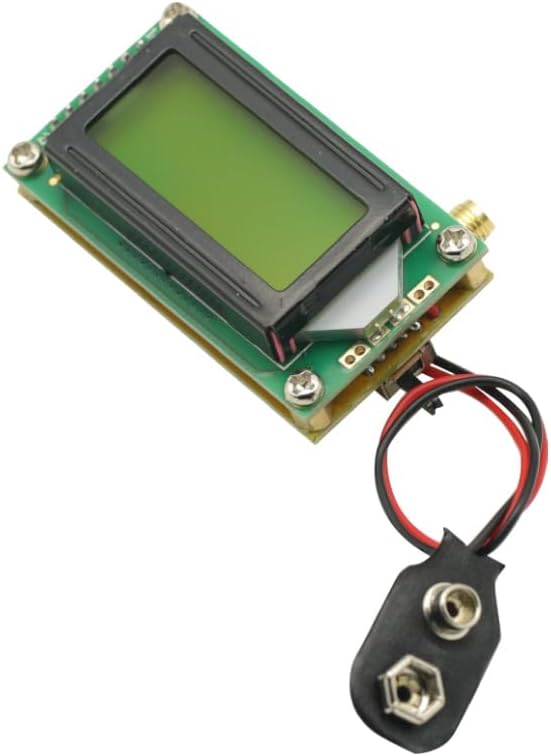
The Mcbazel Surecom SF401 Plus stands out as an accessible entry point for ham operators needing basic frequency verification. With a solid rating and broad range coverage, it handles most common communication bands effectively without breaking the bank.
We may earn a commission when you buy through this link, at no additional cost to you.
Its TCXO technology ensures stable readings across temperature changes, which is critical for field work. The included VHF and UHF antennas make it ready to use right out of the box for two-way radio testing.
While it lacks advanced features like spectrum analysis, it excels at its primary task of measuring continuous wave signals. The four-button interface is intuitive enough for quick checks during station maintenance or field operations.
This unit is ideal for hobbyists who need a reliable, portable tool for verifying repeater offsets or simple transmitter outputs. It offers the best balance of cost and capability for general ham radio maintenance needs.
The temperature compensated oscillator maintains accuracy between -45 C and 65 C, ensuring reliable readings even in extreme outdoor conditions.
Comes with both VHF and UHF antennas to cover the most common ham bands without needing immediate additional purchases.
We may earn a commission when you buy through this link, at no additional cost to you.
This model shares similar core capabilities with the Mcbazel version but often receives slightly higher user satisfaction. It is engineered for simple, direct measurement of carrier signals from two-way radios and walkie-talkies.
We may earn a commission when you buy through this link, at no additional cost to you.
The signal strength indicator helps users gauge transmission power visually while measuring frequency. This dual functionality makes it useful for tuning antennas or checking transmitter output levels during setup.
Its small size allows it to fit easily into a field kit or vehicle glove box. The easy range selection simplifies the process of finding the right band without complex menu navigation.
Hams who prioritize portability and straightforward operation will find this tool highly effective. It is best suited for verifying frequencies on handhelds and mobile units where high precision is not the primary goal.
Designed specifically for continuous wave signals to provide immediate feedback without requiring complex configuration or setup steps.
Supports AC power adapter use and USB connectivity for flexible operation during extended testing sessions or bench work.
We may earn a commission when you buy through this link, at no additional cost to you.
The FC-2800M is a top choice for operators working with digital modes like DMR alongside traditional analog signals. Its dedicated digital mode and decoder support set it apart from basic counters in the mid-range market.
We may earn a commission when you buy through this link, at no additional cost to you.
With a choice between 2MHz to 200MHz and 27MHz to 2800MHz ranges, it covers virtually all amateur radio applications. The built-in DCS CTCSS decoder adds significant value for identifying tone access frequencies.
A two-year warranty provides peace of mind that is rare in this price segment. The low PPM crystal time base ensures measurements remain accurate over time without frequent recalibration.
This device is perfect for serious enthusiasts who need reliable digital and analog frequency verification. It offers the best mix of features and support for regular ham radio station maintenance.
Specifically designed to handle DMR radio signals which standard counters might miss or display incorrectly without digital decoding.
Includes a robust two-year warranty that reflects manufacturer confidence in the unit's durability and long-term performance.
We may earn a commission when you buy through this link, at no additional cost to you.
The TinySA Spectrum Analyzer offers a massive leap in capability by visualizing signals across a spectrum rather than just reading a single number. This makes it invaluable for finding interference and analyzing signal quality.
We may earn a commission when you buy through this link, at no additional cost to you.
Its 2.8 inch touchscreen allows for intuitive navigation and detailed view of scan points. The built-in signal generator and calibration source make it a complete tool for antenna tuning and RF testing.
With USB PC control, you can log data and adjust settings remotely for extended experiments. The dual-range analysis covers MF, HF, VHF, and UHF bands useful for any general radio station setup.
While overkill for simple frequency checks, this is the ultimate tool for troubleshooting complex RF issues. It is recommended for users who need deep insight into their radio environment beyond basic measurement.
The spectrum view lets you see unexpected signals or noise spikes that would remain invisible to a standard frequency counter.
Internal calibration capabilities ensure accurate measurements without needing external reference tools for self-testing or verification.
We may earn a commission when you buy through this link, at no additional cost to you.
This compact counter is designed specifically for local mobile and handheld frequencies in the 136 to 174MHz and 400 to 470MHz bands. It sacrifices wide range for extreme portability and simplicity.
We may earn a commission when you buy through this link, at no additional cost to you.
The one-button control makes it exceptionally easy to operate with one hand while holding a radio. It includes CTCSS and DCS decoding which is helpful for identifying repeater inputs and outputs.
Powered by a standard 9V battery and measuring within one meter, it is perfect for quick on-the-spot checks. The tiny dimensions allow it to slip into a pocket or small tool pouch effortlessly.
Ideal for technicians who work primarily on commercial or amateur mobile radios in these specific bands. It offers a no-fuss solution for verifying offsets without the bulk of a full-featured meter.
Long press for power and single press for next test, minimizing the number of steps needed to take a reading quickly.
Uses a standard 9V battery so you can easily find replacements in the field without carrying specialized charger or cells.
We may earn a commission when you buy through this link, at no additional cost to you.
The Anysecu SF-103 builds on the popularity of previous models with an upgraded version that covers frequencies from 2MHz up to 2.8GHz. This extended range makes it suitable for higher frequency ham and commercial bands.
We may earn a commission when you buy through this link, at no additional cost to you.
Maintenance personnel appreciate its ability to test both frequency and signal strength simultaneously. This dual capability helps verify that a transmission is strong as well as accurate.
Like its predecessors, it features easy range selection and four-button control for straightforward operation. The small size ensures it remains a portable tool that can be carried anywhere for field maintenance.
It is a solid middle-ground option for users who need more range than basic counters offer. It balances cost and performance effectively for general wireless enthusiasts and hobbyists.
The 2.8GHz upper limit allows testing of frequencies beyond standard amateur bands which might be needed for specialized applications.
Combines frequency counting with signal strength indication to save time during radio tuning and output verification tasks.
We may earn a commission when you buy through this link, at no additional cost to you.
This handheld unit is designed for maintenance personnel who need to test frequencies on the go. Its wide frequency range covers most 2m HAM radio and DMR signals effectively for daily checks.
We may earn a commission when you buy through this link, at no additional cost to you.
A unique feature is the GUI battery level indicator which prevents unexpected shutdowns during important tests. The TCXO oscillator ensures stability across temperature variations for reliable performance in the field.
The device includes specific warning notes about input signal limits to protect the internal circuitry. This caution helps ensure long life when used correctly with attenuators or appropriate sampling methods.
It is a reliable choice for technicians working on 2m and UHF equipment. The combination of stabilization and battery monitoring makes it a dependable companion for professional tasks.
The on-screen battery level display ensures you know exactly when the device needs charging to avoid interruptions during use.
Clear warnings about direct input limits protect the device from damage due to high signal power at the antenna port.
We may earn a commission when you buy through this link, at no additional cost to you.
This module is a barebones solution for those who enjoy building their own test equipment. It provides a digital LCD display on a PCB board that needs integration into a larger system or enclosure.
We may earn a commission when you buy through this link, at no additional cost to you.
While it offers high accuracy in theory, the precision is limited to the second digit of the decimal point. This makes it more suitable for general hobby projects than professional calibration needs.
The low cost allows builders to experiment with frequency measurement without significant financial risk. It is often used in DIY ham radio kits to demonstrate basic electronic measurement principles.
Recommend this only if you have soldering skills and want to build a custom meter. It is not ready for out-of-box use and requires careful handling during assembly.
Designed to be soldered into a custom project or case rather than sold as a standalone handheld instrument for immediate use.
The decimal precision is capped below one-tenth which may not be enough for serious RF tuning requirements.
We may earn a commission when you buy through this link, at no additional cost to you.
This board is another option for electronics enthusiasts looking to incorporate frequency counting into their custom builds. It runs on low power which is beneficial for battery-operated projects or portable DIY rigs.
We may earn a commission when you buy through this link, at no additional cost to you.
The 1MHz to 500MHz range covers most HF and VHF amateur applications. The LCD display is simple but sufficient for viewing basic frequency data without complex menus.
As a new item it ensures no prior wear or degradation of components. This makes it a reliable foundation for a school project or personal learning experience in RF electronics.
It is best suited for educational purposes or specific low-cost meter projects. Users should expect to provide their own enclosure and power supply for full functionality.
The circuit is optimized for low power consumption which helps extend battery life in portable DIY radio projects.
Serves as an excellent teaching tool for understanding how frequency counters work at a hardware level.
We may earn a commission when you buy through this link, at no additional cost to you.
The TinyGTC represents the pinnacle of portable frequency counting for serious hobbyists and professionals. With 40ps resolution and a GPS disciplined oscillator it offers stability that rivals benchtop instruments.
We may earn a commission when you buy through this link, at no additional cost to you.
Its dual-channel capability allows measuring frequency and phase simultaneously which is crucial for complex SDR testing. The 4 inch touchscreen and battery power make it surprisingly usable in field conditions despite its high tech internals.
USB data logging and SCPI remote control enable long running measurements and integration with computer software. This level of connectivity transforms it from a simple counter to a comprehensive RF analysis tool.
This unit is the definitive choice for calibration and SDR reference verification. While expensive it justifies its cost with laboratory grade accuracy in a portable package.
The GPSDO ensures long-term frequency stability by locking to satellite time signals for precise measurements over hours or days.
Includes FFT, ADEV, and time interval analysis on the device itself for deep RF diagnostics without external software.
We may earn a commission when you buy through this link, at no additional cost to you.
Choosing the right frequency counter involves balancing range, accuracy, and usability. This guide outlines the critical factors to consider for your specific ham radio needs.
Ensure the device covers the bands you operate on most frequently. Basic models often cover 27MHz to 3000MHz which includes most amateur bands but verify high end limits for advanced work.
Adequate range prevents the need for external frequency multipliers or mixers during testing sessions.
Look for TCXO or GPSDO technology to ensure the internal clock does not drift with temperature changes. High stability is vital for precise transmitter calibration and interference hunting.
Higher ppm accuracy results in more reliable measurements over time without frequent recalibration.
Handheld units are preferred for field day operations or vehicle checks. Compact designs should fit in pockets or small bags while still offering robust construction.
A lightweight device reduces fatigue when carrying it around a radio shack or remote location.
Clear digital displays with backlight are essential for low light conditions. A simple button interface allows for quick adjustments without getting lost in menus.
Touchscreen models offer richer data visualization but may be slower to operate with cold gloves in winter.
Some counters include an RSSI function to display signal strength alongside frequency. This helps when aligning antennas or checking transmitter output power directly.
Having dual measurement capabilities can save time and equipment during station setup.
For users of repeaters or digital modes CTCSS and DCS decoders are valuable. These features allow you to identify tone codes used by local repeater inputs.
Built-in decoders prevent the need to guess frequencies or use separate tone generator tools.
Consider whether the unit runs on standard batteries or rechargeable packs. Long battery life is critical for extended field sessions where charging may be impossible.
USB power options provide flexibility to run the device from power banks or laptop computers.
Advanced users may benefit from spectrum analysis or data logging capabilities. These features transform a simple counter into a versatile diagnostic tool.
Weigh the cost of extra features against how often you will actually use them in daily operations.
When measuring a radio frequency ensure the signal is within the recommended input limits to avoid damaging the sensitive internal circuitry. Use a coupler or attenuator for strong transmissions from transmitters.
Allow the device to warm up for a few minutes before taking precise measurements. This helps the internal oscillator stabilize and provides more reliable readings across temperature ranges.
Store the unit in a protective case when not in use to prevent dust ingress or physical damage. Keep the antennas connected or stored in the case to ensure they are ready for the next use.
Yes it is highly beneficial for ensuring your transmissions stay within allocated bands and comply with regulations. It helps verify oscillator drift and ensures your station operates accurately.
TCXO uses temperature compensation to reduce drift while GPSDO locks to satellite time for ultimate precision. GPSDO is generally more stable but costs significantly more than TCXO units.
You should generally not connect directly to a live transmitting antenna as high power can damage the counter. Use a coupler or measure from the transceiver output instead.
The internal crystal oscillator needs a few minutes to reach thermal equilibrium for stable operation. This warm up period ensures the accuracy claims are met consistently.
Most quality units hold calibration for long periods but annual checks against a known standard are recommended. TCXO and GPSDO models rarely need manual calibration due to stability.
It detects the subaudible tone used by repeaters to allow access. This helps you identify the correct frequency for accessing a specific repeater system.
Our top picks range from the affordable Mcbazel Surecom SF401 Plus to the ultra-precise TinyGTC. Each offers distinct advantages depending on your budget and technical requirements.
Prioritize range and accuracy based on your primary use case. Field operators should focus on portability while lab users might prefer advanced calibration capabilities.
Remember to check current availability and pricing before purchasing. Technology moves quickly so verifying the latest specs ensures you make the best investment for your station.