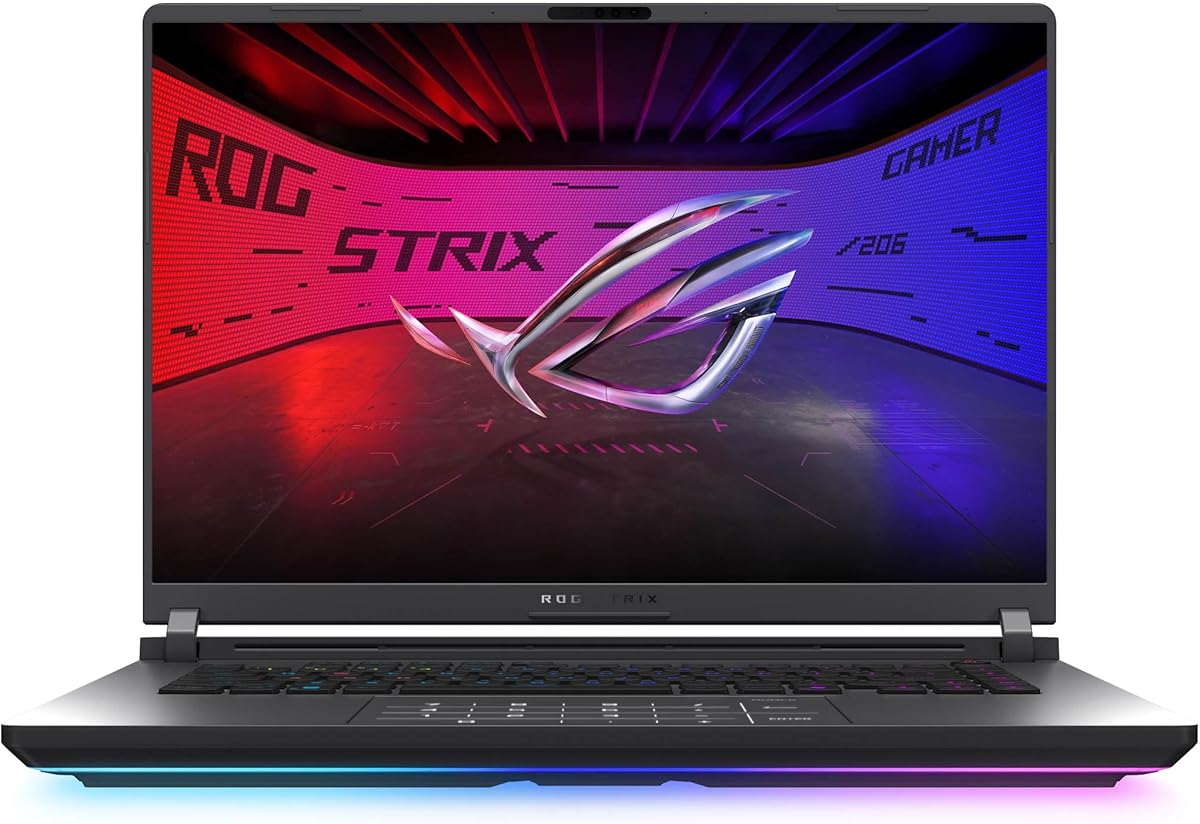
ASUS ROG Strix G16 (2025)
4.3Editor score
Intel Core Ultra 9 275HX
NVIDIA GeForce RTX 5070 Ti
240Hz 2.5K Display
Choosing the right laptop for flight simulators requires balancing raw power with visual fidelity. Modern simulation software demands robust processors and dedicated graphics to render realistic weather and terrain smoothly.
We analyzed ten top products based on processor speed, GPU capabilities, and display refresh rates. Each entry offers unique strengths for pilots seeking immersive virtual flying experiences.
Every pick highlights key specs and real-world performance traits. Note that pricing fluctuates often, so verify current deals before making your final purchase decision.
4.3Editor score

4.4Editor score

4.2Editor score
As an Amazon Associate we earn from qualifying purchases.
This side-by-side comparison highlights critical specs for simulation performance across all ten selected laptops and accessories.
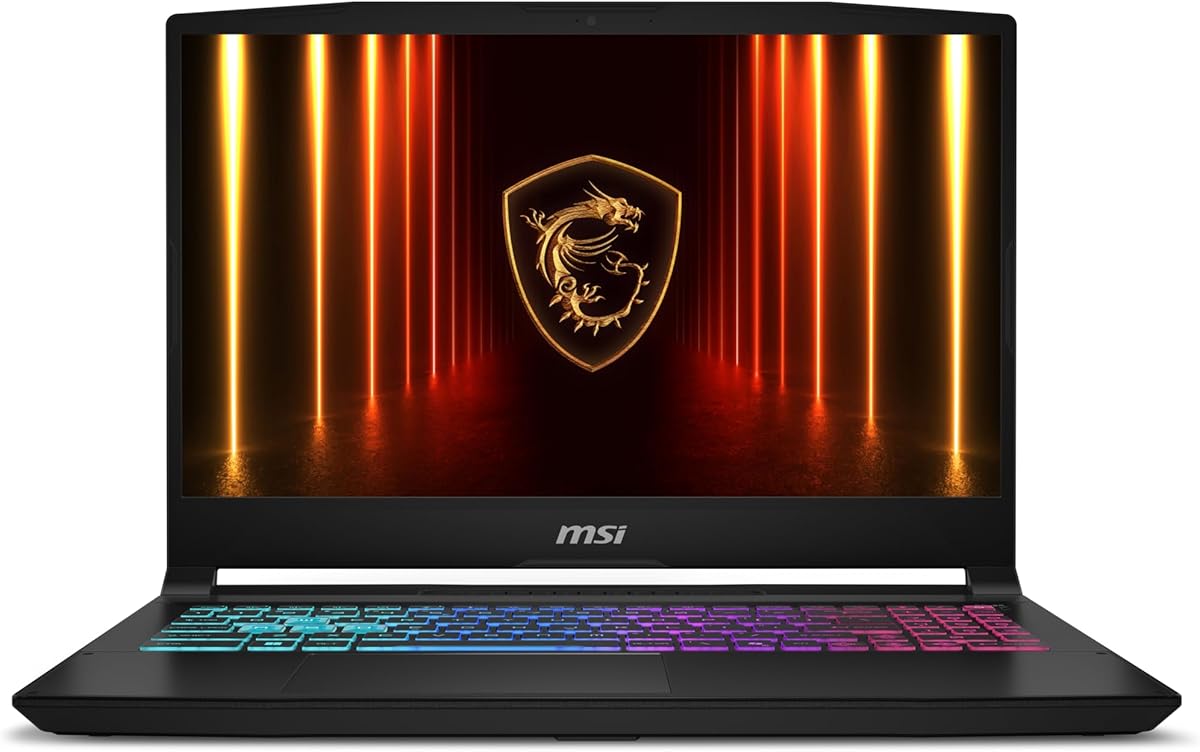


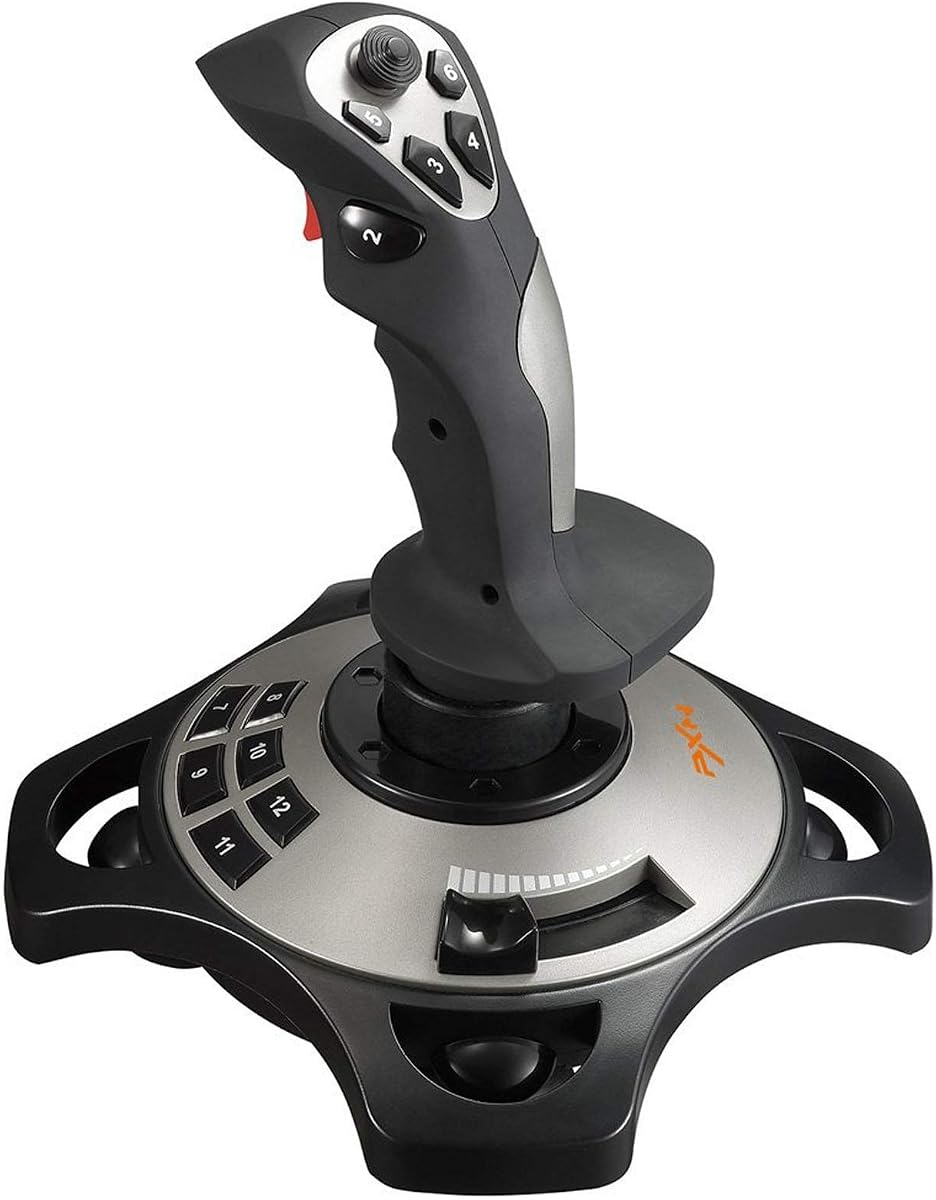


This laptop stands out as a top contender for flight simulation enthusiasts seeking balanced performance. With an Intel Core i7 processor and RTX 5060 GPU, it handles demanding sim environments with ease.
We may earn a commission when you buy through this link, at no additional cost to you.
The 165Hz display ensures smooth visuals during critical flight maneuvers. Its advanced cooling keeps thermal throttling at bay, allowing sustained performance during long virtual flights.
While battery life is average, the raw power and fast SSD make up for it. Users will appreciate the seamless multitasking and quick loading times for large scenery packs.
Pilots looking for a reliable desktop replacement for their cockpit setup will find this model excellent. It delivers the consistency needed for accurate simulation experiences.
The Intel Core i7 14650HX ensures complex physics calculations run without lag, essential for realistic flight dynamics.
The ACR film on the display reduces glare, making it easier to read instruments in bright virtual lighting conditions.
We may earn a commission when you buy through this link, at no additional cost to you.
This premium model offers the visual fidelity flight simmers crave. The 2.5K Nebula display provides crisp details for maps and airport layouts that lower resolutions miss.
We may earn a commission when you buy through this link, at no additional cost to you.
The RTX 5070 Ti GPU handles ray tracing and high-resolution textures effortlessly. Combined with 32GB of RAM, you can run background apps without stuttering.
Its premium features come with a higher cost, but the upgrade in visuals is worth it. Those prioritizing immersion will find this laptop unmatched in clarity.
Ideal for users building a dedicated home cockpit, this machine ensures every cloud and runway texture looks authentic. It sets a new standard for portable simulation.
The 240Hz 2.5K screen allows for ultra-smooth motion, reducing eye strain during long sessions.
ROG Intelligent Cooling with liquid metal keeps the powerful components running cool under heavy load.
We may earn a commission when you buy through this link, at no additional cost to you.
This laptop excels in raw processing power, making it a top choice for complex physics simulations. The Core i9 processor handles multiple threads effortlessly.
We may earn a commission when you buy through this link, at no additional cost to you.
Its QHD+ display offers sharp visuals without the extreme power draw of higher resolutions. The 32GB RAM ensures smooth operation even with background streaming.
While the display is good, it lacks the vibrancy of premium panels. However, the performance-to-price ratio remains attractive for serious sim enthusiasts.
Pilots who prioritize computation over graphics fidelity will appreciate this machine. It delivers consistent frame rates during demanding flight segments.
The 24-core design ensures fast load times and high frame rates across various flight scenarios.
Cooler Boost 5 technology maintains stable performance during extended flight sessions without overheating.
We may earn a commission when you buy through this link, at no additional cost to you.
For beginners or budget-conscious flyers, this laptop offers exceptional value. The 32GB of RAM is rare at this price point, supporting smooth multitasking.
We may earn a commission when you buy through this link, at no additional cost to you.
The 17.3 screen provides ample real estate for navigation and instrument panels. While graphics are basic, it handles older sim titles well.
Storage expandability allows you to grow your library without replacing the device. It balances practicality with cost effectively.
This is a solid starting point for those new to simulation. It offers enough power to learn the ropes without breaking the bank.
The 17.3 inch display reduces eye strain and allows for more visible map information.
Dual SO-DIMM slots allow you to upgrade RAM up to 64GB as your needs grow.
We may earn a commission when you buy through this link, at no additional cost to you.
This software is unique because it includes a dedicated controller. The Interlink DX provides tactile feedback essential for mastering RC flight physics.
We may earn a commission when you buy through this link, at no additional cost to you.
The interface is intuitive, eliminating the need for complex keyboard mapping. This makes practice sessions more immersive and effective.
While tailored to radio control rather than full-scale aviation, the aerodynamic models are highly accurate. It is perfect for learning basic flight controls.
Pilots interested in RC hobbies will find this package comprehensive. It offers a direct path from simulator to real-world flying.
The Interlink DX controller simplifies setup and offers better control than standard gamepads.
PhotoField technology allows you to fly in virtual replicas of real-world airfields.
We may earn a commission when you buy through this link, at no additional cost to you.
This system replicates the authentic feel of a cockpit yoke. The stainless steel shaft offers smooth precision for every maneuver.
We may earn a commission when you buy through this link, at no additional cost to you.
With 54 programmable controls, you can map critical functions like trim and lights directly to the yoke. This reduces reliance on keyboard shortcuts.
Installation requires a sturdy desk, but the clamping mechanism ensures stability during turbulence simulations. It is a robust choice for serious setups.
For those seeking a realistic piloting experience, this yoke delivers. It bridges the gap between gaming and professional simulation tools.
The 14 button controls give you immediate access to essential aircraft systems.
Robust desk clamps ensure the system stays secure during aggressive flight maneuvers.
We may earn a commission when you buy through this link, at no additional cost to you.
This joystick is an excellent entry-level controller. It requires zero driver headaches, allowing you to start flying immediately.
We may earn a commission when you buy through this link, at no additional cost to you.
The adjustable resistance allows you to fine-tune stick tension to match your preference. The weighted base prevents unwanted movement during flight.
Its compact design saves desk space while offering essential controls like throttle and rudder. It is a reliable companion for daily practice.
Beginners will appreciate the plug-and-play convenience. It provides the necessary range of motion without excessive complexity.
USB recognition is immediate, saving you time on installation and driver updates.
The integrated throttle lever and rudder twist reduce the need for separate pedals.
We may earn a commission when you buy through this link, at no additional cost to you.
For those seeking a low-cost solution, this joystick offers basic functionality. It supports many popular titles out of the box.
We may earn a commission when you buy through this link, at no additional cost to you.
The vibration switch provides immersive feedback when engaged correctly. The ergonomic design ensures comfort during extended use.
Build quality is basic but sufficient for casual flight sessions. Setting up vibration requires driver configuration but works well once active.
It is a decent option for students or travelers needing a compact controller. It delivers essential inputs without a steep price tag.
The vibration feature adds physical cues to flight turbulence when configured properly.
The grip is comfortable enough for long practice sessions without hand fatigue.
We may earn a commission when you buy through this link, at no additional cost to you.
These pedals offer precise control for coordinated turns. The S.M.A.R.T. rail system ensures friction-free motion during flight.
We may earn a commission when you buy through this link, at no additional cost to you.
The self-centering axis provides consistent resistance, essential for accurate heading changes. They are comfortable for long sessions.
Although primarily designed for PC, they support consoles. This versatility makes them a practical choice for multi-device users.
For any serious flight setup, these pedals complete the cockpit. They transform basic flying into a realistic piloting experience.
The four aluminum rails ensure the pedals move smoothly without friction.
Compatibility with PS5 and Xbox allows for flexible setup configurations.
We may earn a commission when you buy through this link, at no additional cost to you.
This title offers a nostalgic yet educational flight experience. Its weather physics set the standard for realism for years.
We may earn a commission when you buy through this link, at no additional cost to you.
Interactive air traffic control allows for engaging solo flights. The multi-monitor support makes it adaptable to various setups.
Graphics are dated compared to newer titles, but the fundamentals remain excellent. It is ideal for those who appreciate simulation history.
Pilots looking for a simpler alternative to modern sims will find it valuable. It focuses on core flying skills without overwhelming complexity.
Realistic cloud formation and physics create an authentic flying environment.
Support for multiple displays enhances immersion for desktop setups.
We may earn a commission when you buy through this link, at no additional cost to you.
Selecting the right machine involves weighing several critical factors to ensure a smooth and realistic flying experience.
The GPU is the engine behind rendering high-resolution textures and weather effects. Look for dedicated cards with at least 6GB VRAM for modern simulators.
A powerful GPU ensures high frame rates, which is critical for visual clarity during flight.
Flight simulators rely heavily on single-core performance to calculate aerodynamics and physics. Aim for a high clock speed and modern architecture.
A strong processor prevents stuttering during complex calculations in crowded airspace.
Memory handles active assets like aircraft models and terrain textures. 16GB is a baseline, but 32GB offers better headroom for expansion.
More RAM allows you to run background apps like streaming software without lag.
Higher refresh rates reduce motion blur, making it easier to track moving objects. Look for panels with 120Hz or higher.
A smooth display reduces eye strain during long sessions.
SSDs load massive scenery packs much faster than traditional hard drives. Gen 4 NVMe drives offer the quickest load times.
Fast storage reduces wait times between missions.
Sustained performance requires effective cooling systems. Vapor chambers or liquid metal thermal pads help prevent throttling.
Good thermals keep the laptop quiet and consistent.
USB ports are vital for connecting joysticks, yokes, and pedals. Ensure there are enough ports for all peripherals.
Wi-Fi 7 support ensures fast downloads of updates.
Consider if you need to move your setup frequently. Larger screens often mean heavier chassis, impacting travel ability.
Balance screen size with weight based on your setup needs.
Begin by updating your graphics drivers and the simulation software to their latest versions. This ensures compatibility with your chosen peripherals.
Calibrate your joystick or yoke using the built-in Windows settings before each session. This alignment is vital for accurate flight control.
Keep the laptop vents clear of dust and debris to maintain optimal cooling. Regularly clean the filters to prevent overheating.
Most modern simulators require a dedicated GPU with at least 6GB VRAM and a quad-core processor. You should also have 16GB of RAM and 100GB of available storage for essential files.
A yoke is preferred for general aviation realism, while a joystick suits combat or helicopters. Choose based on the aircraft types you fly most often.
Yes, flight simulators support multi-monitor setups. Ensure your laptop has HDMI or USB-C video outputs capable of driving external displays.
While 16GB is the minimum, 32GB is recommended for complex scenes. Extra RAM prevents stuttering when loading high-density cityscapes.
Yes, many simulators support VR headsets. You will need a powerful GPU and enough USB ports to connect the headset effectively.
Most peripherals are plug-and-play but updating drivers ensures full functionality. Check the manufacturer site for the latest control firmware.
Windows 11 is the current standard for flight simulators. It offers the best driver support and optimization for simulation engines.
Use a cooling pad or elevate the rear of the chassis. Ensure the vents are not blocked by soft surfaces like beds.
We reviewed ten options ranging from powerful gaming laptops to essential simulation accessories. Each pick offers unique strengths for different flying styles and budgets.
Prioritize processing power and graphics capability to ensure smooth frame rates. High refresh displays and ample RAM further enhance the immersion.
Always check current prices and deals before finalizing your purchase. The landscape of simulation hardware changes rapidly with new releases.