
FNIRSI LC1020E
4.7Editor score
Dual parameter display
Auto component detect
Sorting mode included
This guide compares the top ten Lcr Meter models for accuracy, features, and value to help engineers and hobbyists choose the right tool for precise component
An Lcr Meter is essential for precise testing of inductors, capacitors, and resistors in electronic design. It measures impedance and secondary parameters that standard tools miss. Choosing the right model ensures reliability in repairs and lab work.
We evaluated ten top models based on accuracy, frequency range, display quality, and ease of use. Our analysis includes handheld units for field work and benchtop devices for detailed analysis. Each option offers unique strengths for different testing needs.
Each pick highlights key specifications, pros, and cons to guide your decision. Prices and availability change frequently, so check current listings before buying. This expert guide helps you find the perfect Lcr Meter for your specific projects and budget.
4.7Editor score

4.6Editor score

4.4Editor score
This side-by-side comparison highlights key specifications across all ten top-rated Lcr Meter models to help you identify the best fit for your testing requirements.

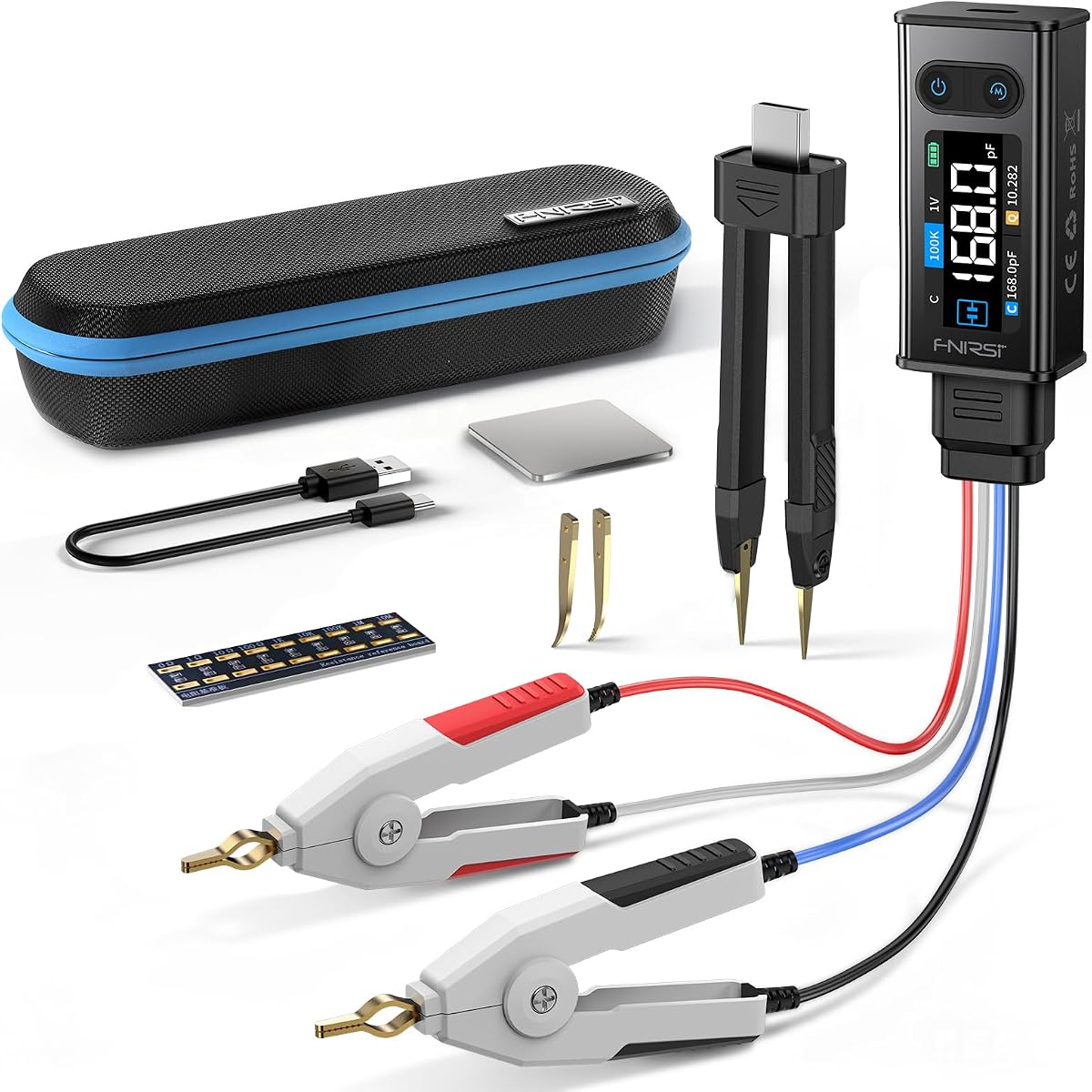


The FNIRSI LC1020E stands out as the top pick for most users. It offers a high 19999 count display and supports five test frequencies up to 100kHz. The dual parameter display allows you to see primary and secondary values simultaneously.
We may earn a commission when you buy through this link, at no additional cost to you.
Its auto component detection simplifies workflow by identifying resistors, capacitors, and inductors without manual selection. The sorting mode calculates relative error against presets, which is ideal for screening components in production. Open and short calibration ensures accuracy.
While it requires calibration before use, this is standard for precision instruments. The battery life is decent but may vary with heavy use. The 2.8 inch screen is bright and readable even in varied lighting conditions.
This meter is perfect for electronics repair, hobbyists, and small labs. It balances performance and ease of use better than most competitors. We recommend it for anyone needing reliable Lcr testing without spending excessively.
Seeing primary and secondary parameters like ESR or D alongside LCR values helps diagnose issues faster without switching modes manually.
The sorting mode alerts you if a component falls outside tolerance, speeding up quality control for batches of parts.
We may earn a commission when you buy through this link, at no additional cost to you.
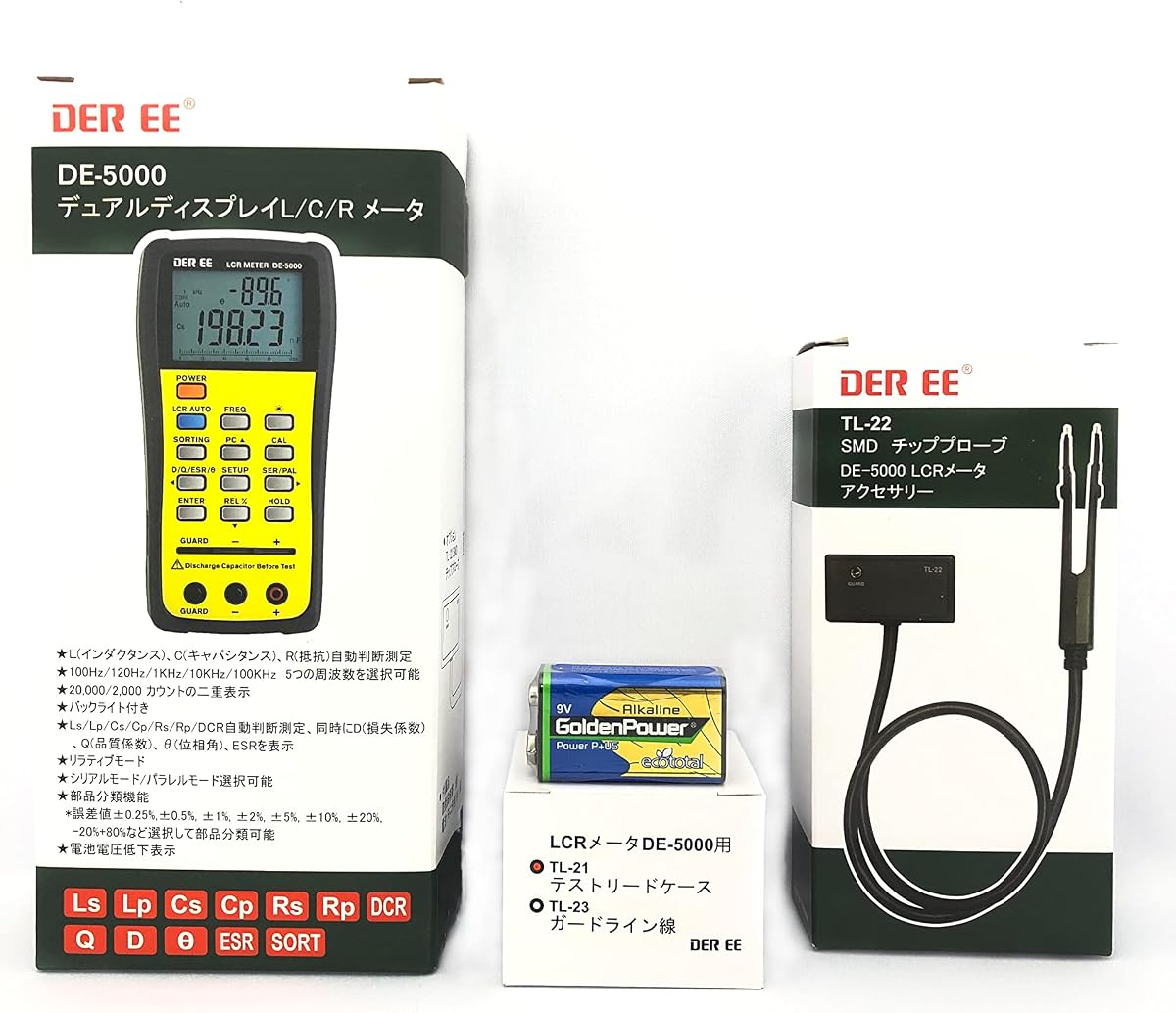
The DE-5000 is a classic choice known for robust performance in field work. It supports auto ranging for impedance and resistance, which reduces user effort during testing. The dual display shows main and secondary parameters clearly.
We may earn a commission when you buy through this link, at no additional cost to you.
With five test frequencies from 100Hz to 100kHz, it handles a wide variety of components including RF parts and large electrolytics. The accessory kit includes alligator clips and SMD tweezers for versatile testing scenarios without buying extras.
Some users find the device slightly bulkier than modern pocket units, but this adds durability. Manual range selection is occasionally required for specific measurements, though the auto mode covers most use cases efficiently.
This model suits technicians and hobbyists who value reliability and broad compatibility. Its proven track record makes it a safe investment for demanding environments. We appreciate its straightforward menu system and clear display.
The five selectable frequencies allow accurate testing across different component types, from tiny capacitors to high inductance coils.
Included test leads and tweezers ensure you can start measuring right away without hunting for additional adapters.
We may earn a commission when you buy through this link, at no additional cost to you.
The MATRIX MCR5200 delivers lab-grade precision with 0.1 percent basic accuracy. It operates from 40Hz to 200kHz, covering most inductance, capacitance, and resistance needs. The 32-bit processor ensures quick and stable calculations.
We may earn a commission when you buy through this link, at no additional cost to you.
Data saving via USB or RS232C allows easy transfer to computers for analysis. The 4.3 inch TFT LCD provides clear 5-digit displays. Open and short calibration reduces measurement errors significantly for critical applications.
While it is not portable, its stability makes it ideal for fixed workstations. The higher cost reflects its precision features and connectivity options. Bench users will appreciate the consistent performance.
We recommend this for production lines and R&D teams needing traceability. The built-in comparator helps automate quality checks. If you need top-tier accuracy and data logging, this unit excels.
USB and RS232C ports let you log measurements directly to a PC for long-term trend analysis.
The 0.1 percent accuracy ensures reliable results for sensitive components in quality control environments.
We may earn a commission when you buy through this link, at no additional cost to you.
This version of the DE-5000 comes with TL-21 alligator leads and TL-22 SMD test leads. The complete kit saves you from buying separate probes. The backlit screen improves readability in dim workspaces.
We may earn a commission when you buy through this link, at no additional cost to you.
It supports all standard test frequencies and allows series or parallel mode selection. The 20000 count display offers fine resolution for small component variations. Sorting features help organize batches efficiently.
The device is slightly heavier due to extra accessories, which may fatigue hands during long sessions. Non-rechargeable batteries are standard, but replacements are cheap. Overall it remains a solid choice.
We suggest this kit for field technicians who need ready-to-use tools. The included case protects everything during transport. If you value convenience and completeness, this package delivers.
The included leads and case mean you can start testing immediately without extra purchases.
Low light conditions no longer hinder measurements thanks to the clear backlit screen design.
We may earn a commission when you buy through this link, at no additional cost to you.
The Proster LCR Meter offers essential testing functions at an accessible price point. It measures inductance, capacitance, and resistance with multiple ranges. The rotatable LCD screen lets you adjust the viewing angle easily.
We may earn a commission when you buy through this link, at no additional cost to you.
Sampling happens three times per second, which is sufficient for most static checks. A built-in diode tester adds value for basic circuit diagnostics. The portable bag keeps all accessories organized.
It lacks the high resolution of benchtop units, so very small components may show wider margins. However, the cost makes it ideal for students or home projects. Battery power is standard.
We recommend this for beginners entering electronics repair. It covers the basics well without complexity. If you need a secondary tool for quick checks, this fits the role perfectly.
Rotating the display helps you read values comfortably on a bench without twisting your wrist.
The added diode test function expands utility for general circuit troubleshooting beyond pure LCR needs.
We may earn a commission when you buy through this link, at no additional cost to you.
The FNIRSI LCR-ST2 specializes in SMD component testing with built-in tweezer probes. This eliminates the need for separate clamps when handling tiny resistors and capacitors. The auto sorting helps identify defective parts quickly.
We may earn a commission when you buy through this link, at no additional cost to you.
Rechargeable battery with Type-C charging adds modern convenience. You can work all day without worrying about disposable batteries. The magnetic rear helps secure the device on metal work surfaces safely.
The screen is smaller than benchtop meters, but readable for quick checks. Tweezer tips are gold-plated but may degrade with heavy use. Still, this is a niche winner.
We recommend it for surface mount technicians and mobile repair crews. It combines portability with specialized functionality effectively. If you often handle SMD parts, this tool saves significant setup time.
Integrated probes let you test tiny components directly without external fixtures or clips.
Type-C charging means you can use standard cables already available for other devices.
We may earn a commission when you buy through this link, at no additional cost to you.
The Peak Atlas LCR45 provides enhanced resolution for precise impedance and inductance readings. It supports manual and automatic component types, giving flexibility to experienced users. The 200kHz test frequency handles advanced RF work well.
We may earn a commission when you buy through this link, at no additional cost to you.
It offers 0.2uH and 0.2pF resolution for tiny values. The easy menu system helps navigate settings quickly. A one-year warranty provides peace of mind against defects or manufacturing issues.
The learning curve for the menu might be steep for newcomers. The display is functional but not large. However, the accuracy is commendable for a handheld unit.
We suggest this for hobbyists who want detailed data. The resolution allows fine-tuning of circuits. If you need precision without a full benchtop setup, this model delivers.
Measuring tiny inductance or capacitance values accurately requires this level of resolution for success.
The manufacturer warranty ensures you can get support if issues arise during normal usage periods.
We may earn a commission when you buy through this link, at no additional cost to you.
The B&K Precision 879B is a universal handheld unit with dual displays. The backlit screen ensures visibility in any lighting. Mini USB interface helps transfer data to computers when needed.
We may earn a commission when you buy through this link, at no additional cost to you.
It handles a broad range of passive components with clear readings. The build quality reflects its premium positioning. Users appreciate the clear separation of primary and secondary values on screen.
Accessories like leads are often sold separately. The weight makes it less ideal for long field sessions. But for a desktop tool, it is robust and accurate.
We recommend this for engineers needing reliable handheld testing. It fits well in labs where portability isn't the main driver. The interface options make it versatile for documentation.
Having two displays reduces errors by showing both values clearly at the same time.
The Mini USB interface simplifies logging measurements for reports or further analysis.
We may earn a commission when you buy through this link, at no additional cost to you.
The Extech LCR200 features a built-in test fixture, making setup fast for component checks. Dual backlit displays show primary and secondary parameters clearly. Open and short calibration removes stray impedance effectively.
We may earn a commission when you buy through this link, at no additional cost to you.
It supports limit settings for absolute or percentage checks, useful for quick pass-fail tests. The menu is straightforward for quick testing. Battery life with power is adequate for typical use.
The test fixture is convenient but may wear with rough handling. Frequency options are standard but lack advanced high-frequency support. Still, it performs well for general repairs.
We suggest this for service centers needing quick results. The fixture reduces setup time significantly. If you prefer simple operation over complex specs, this unit works well.
The included fixture lets you insert components directly without external test leads.
Setting limits helps verify if parts meet your tolerance requirements instantly.
We may earn a commission when you buy through this link, at no additional cost to you.
The Pro1-100KHz offers impressive 0.1 percent accuracy for resistance measurements. It includes smart SMD tweezers for easy handling. Three test voltages allow adapting to different component sensitivities.
We may earn a commission when you buy through this link, at no additional cost to you.
Diode testing functionality adds versatility beyond standard LCR checks. The warranty and lifetime support provide long-term value. It suits small shops needing precise yet portable solutions.
While accuracy claims are strong, calibration helps maintain them. Frequency options are standard but sufficient for most needs. The tweezers are convenient for quick tests.
We recommend this for technicians valuing support. The accuracy makes it competitive with larger units. If you need precision and support without bulk, this model stands out.
Integrated tweezers streamline testing for SMD parts by removing the need for external probes.
Ongoing technical support helps resolve usage questions or calibration needs over time.
We may earn a commission when you buy through this link, at no additional cost to you.
Selecting the right Lcr Meter involves weighing accuracy, features, and portability against your specific needs.
Accuracy determines how close measurements are to true values. Look for basic accuracy ratings like 0.1 percent for professional work. Higher precision reduces errors in sensitive projects.
Test frequencies affect measurement validity across different component types. Higher frequencies suit inductors and RF parts while lower ones fit capacitors. Choose a range covering your most common components.
Clear displays with good brightness ensure readability. Dual parameter displays let you see LCR and secondary metrics at once. Backlit or color screens help in low light conditions.
Handheld units offer mobility for field work while benchtop models excel in labs. Consider weight and battery life. Rechargeable batteries add convenience for frequent use.
Open and short calibration removes stray impedance for better results. Some models automate this process. Regular calibration ensures ongoing accuracy over time.
Look for extras like sorting modes, diode tests, or data logging. Sorting helps verify component batches. Data interfaces allow saving results for reports and analysis.
Durable cases and quality connectors withstand regular handling. Metal probes resist wear better than plastic. Ensure accessories match your component types.
Manufacturers offering technical support help resolve calibration or usage issues. Longer warranties protect against defects. Reliable support ensures you get value long term.
Always perform open and short calibration before measuring to remove stray effects. This ensures accuracy by establishing baseline readings. Follow the device prompts carefully.
Handle probes and fixtures gently to avoid damaging contacts. Store the device in a dry place. Use protective cases during transport to keep components safe.
Replace batteries when low to avoid inaccurate readings. For rechargeable models, follow charging guidelines. Regularly check for firmware updates to keep the meter current.
LCR measures inductance, capacitance, and resistance broadly. ESR specifically refers to equivalent series resistance, critical for capacitors. Good LCR meters show both values.
Calibration before each session ensures accuracy by correcting drift. Some meters offer automatic calibration but manual steps are safer. Always check zero before testing critical parts.
Lower frequencies like 100Hz or 120Hz suit most electrolytic capacitors. Higher frequencies fit RF caps. Match the frequency to the component specs for valid results.
Testing in circuit is possible but requires power off. Stray paths may affect readings. For precise results, isolate components before measuring.
Most kits include test leads and a case. Tweezers or fixtures may be included. Check if USB cables or software are included.
Handheld models suit field work and mobility. Benchtop units offer more precision and interfaces. Pick based on where testing occurs most often.
Tolerance sorting identifies components within a range. It automates pass-fail checks. This speeds up quality control for large batches.
Some models include diode test modes for basic voltage checks. This adds value for general diagnostics. Check specs before buying.
We recommend the FNIRSI LC1020E for most users balancing accuracy and features. The DE-5000 offers reliability for field work while the MATRIX MCR5200 suits precision lab needs.
Prioritize accuracy and frequency range for your projects. Consider portability and display clarity for daily use. Good calibration support ensures lasting performance.
Check current pricing and availability before purchasing. Prices change frequently based on sales. Always verify warranty terms to protect your investment effectively.